Activities to Cover
- How chemicals, sharps, organic and non-organic waste are dealt with.
- Carry out a short audit at your farm and identify and record the following:
- Waste management of 2 different types of waste
- An example of good waste management.
- 1 improvement action you could take
Practical Evidence Ideas
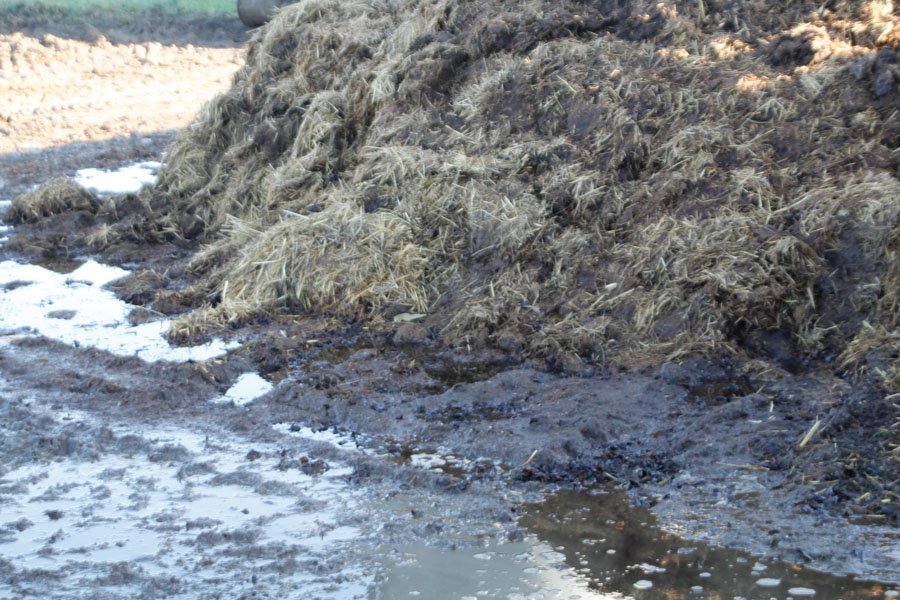
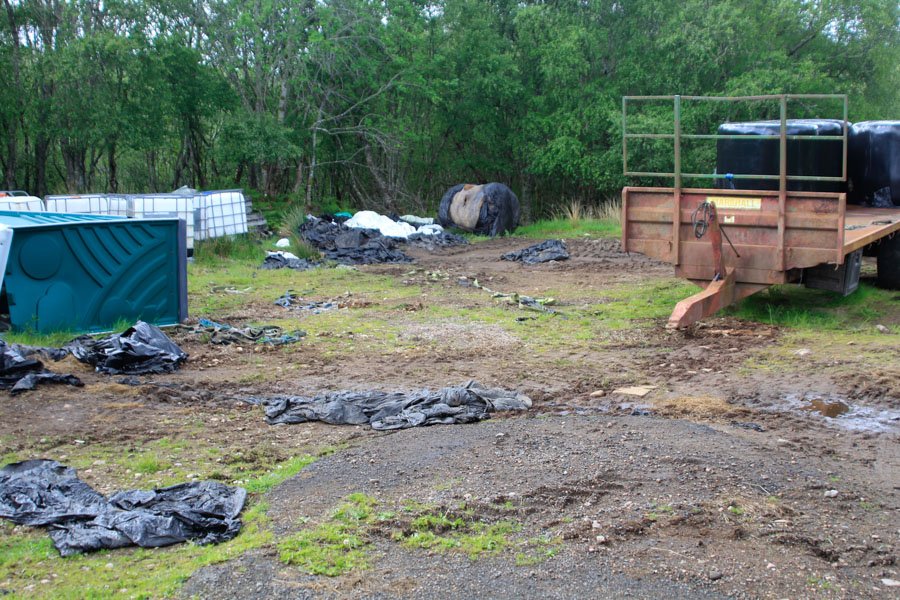
Some ideas for photographs, videos, witness statements or practical activities to record as Evidence in your Learning Journal.Duty Images
6 Steps to Great Journal Entries
What a suitable Learning Journal Entries Looks like...
Below are two examples that could be used as evidence:
1. Repairing Fences and Gates
2. Waste Management - Audit.
Waste Management Audit Learning Journal Entry
Today I carried out a waste management audit on the farm to look at how different types of waste are stored and disposed of and to identify any improvements that could be made. I completed the activity with my farm supervisor, who explained the farm's waste procedures and why it is important to follow regulations.
I looked at two different types of waste during the audit. The first was chemical waste, including empty pesticide containers and used oil containers. These were stored in a secure area away from drains and watercourses and were collected by a licensed waste contractor. The second type was organic waste, which included used bedding and manure from the livestock sheds. This material was stored in a designated muck heap and managed to reduce pollution risks before being spread according to the farm's nutrient management plan.
As part of the audit, I also identified an example of good waste management. The farm had clearly labelled waste areas and separate containers for different types of waste, which made it easier for staff to dispose of materials correctly and reduced the risk of contamination.
During the audit, I noticed that some waste signage in the machinery shed had become faded and was difficult to read. My improvement action would be to replace the signs with new, clearly visible labels so that all staff and visitors can easily identify where different waste materials should be disposed of.
This activity helped me understand that good waste management is not just about keeping the farm tidy. It is important for protecting the environment, preventing pollution of soil and water, meeting legal requirements and keeping everyone safe. Carrying out the audit showed me how different waste streams need to be managed correctly and how small improvements can help make farm operations safer and more efficient.
The activity was completed safely by wearing appropriate PPE, including gloves and safety boots, avoiding direct contact with waste materials, following the farm's biosecurity procedures and ensuring hazardous waste areas were only accessed under supervision.
🔍 Checking Oil and carrying out yard maintenance.
Today I carried out some routine maintenance jobs around the farm, including checking the engine oil on the tractor and helping clean blocked drains and tidy the machinery yard.
completed the work with one of the experienced farm workers, who explained the importance of carrying out daily checks before machinery is used. This was a maintenance and monitoring task that forms part of looking after farm infrastructure and machinery.
To check the tractor oil, I parked the tractor on level ground, switched the engine off and allowed it to cool. I then removed the dipstick, cleaned it, reinserted it and checked that the oil level was within the correct range. After that, we cleaned leaves and debris from drains, swept the yard and removed rubbish from around the machinery storage area.
These jobs are important because checking oil levels helps prevent machinery breakdowns and expensive repairs. Cleaning drains and keeping the yard tidy reduces the risk of flooding, slips and trips and keeps the farm looking professional and organised.
The work was completed safely by wearing gloves and safety boots, making sure machinery was switched off before carrying out checks, using tools correctly and keeping clear of moving vehicles operating in the yard.
Common Mistakes
Example: "Walked round farm".” This gives very little evidence or detail.
Explaining why the task matters shows understanding and learning.
PPE, safety awareness are often forgotten.
Working with supervisors or stock staff is useful evidence.
Looked in grain store, checked chemical store, not explaining the work properly.
Words like “stuff” or “helped out” do not show real evidence.
Using the same wording every week weakens journal evidence.
Good entries mention details observed and any issues found.
Mentioning any equipment used (clipboard ) strengthens evidence.
Strong entries show understanding, not just completing jobs.