Activities to Cover
- SAFELY LOAD, UNLOAD and TRANSPORT (in accordance with legislation and codes of practice)
- HARVESTED CROPS
- FEEDSTUFFS
- OTHER RESOURCES
- RECORDS involved with these activities. (Weight Tickets, Grain Passports etc) This can be a separate entry or included in the above entries
Practical Evidence Ideas
Some ideas for photographs, videos, witness statements or practical activities to record as evidence in your Learning Journal for loading, unloading, and transporting crops and supplies.Duty Images
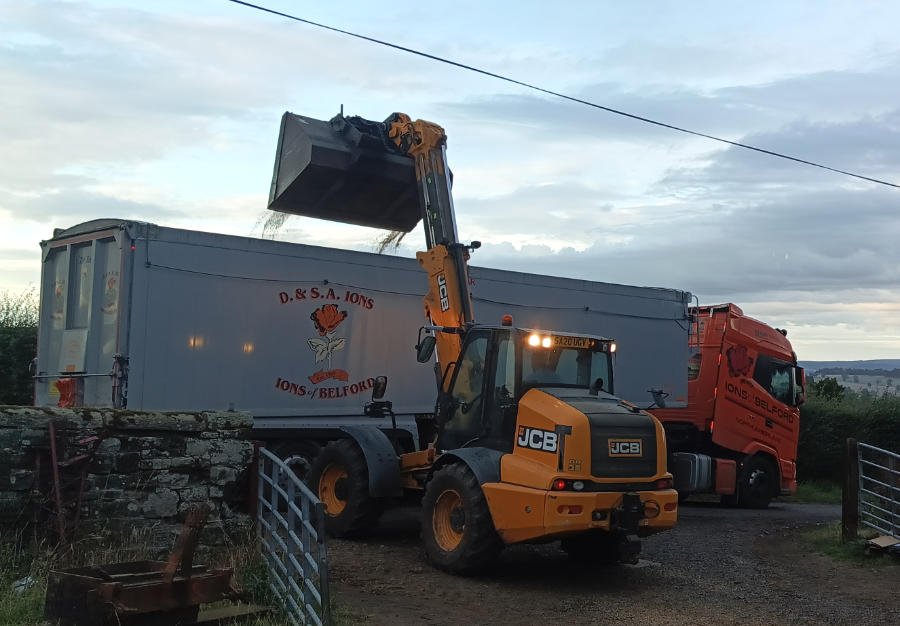
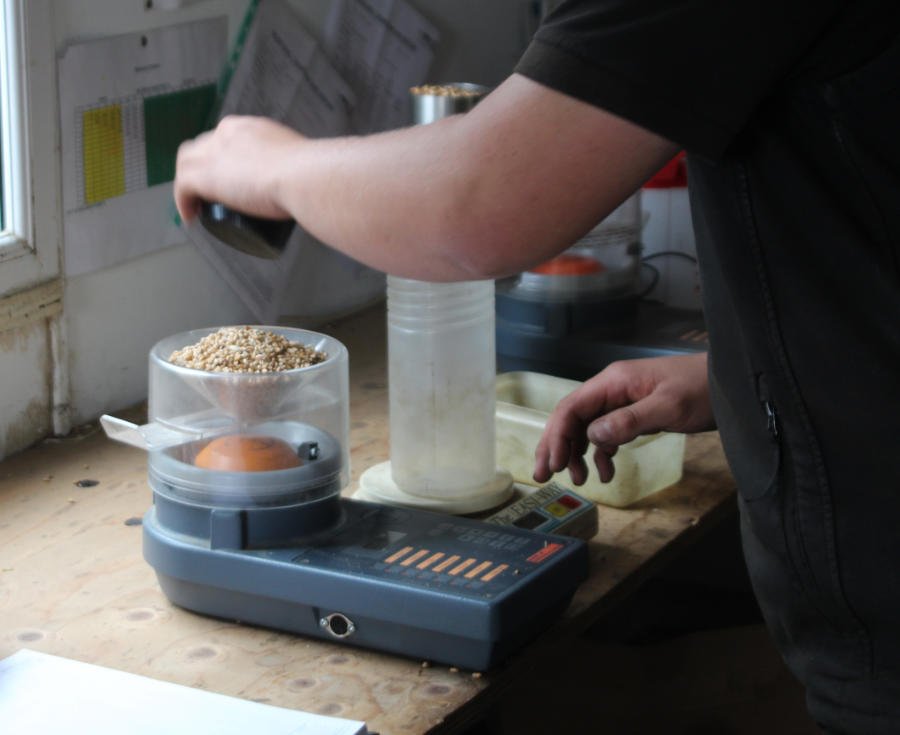
6 Steps to Great Journal Entries
What a Suitable Learning Journal Entry Looks Like
Below are two examples that could be used as evidence:
1. Loading and transporting harvested crops.
2. Unloading and documentation of feed deliveries.
Loading and Transporting Harvested Crops.
Today I worked with the farm manager and tractor operator to load harvested grain into trailers for transport to the grain store. We checked trailer condition, loading levels, and sheet security before each trip, and I helped record trailer loads and movement times. This was a crop transport task and I learned how important correct loading and route planning are for safe movement and protecting grain quality.
We used loader equipment, trailers, load sheets, and the farm movement log to keep each load traceable from field to store. I worked safely by wearing PPE, keeping clear of loading zones while the loader was moving, using agreed hand signals with operators, and only approaching vehicles when they were stopped and safe.
Unloading and Documentation of Feed Deliveries.
I helped unload delivered feed and bagged inputs into the correct storage bays and checked each load against delivery paperwork. We confirmed quantities, checked for damage or contamination, and filed weight tickets and grain passport details so records matched what was received. This task showed me how unloading and documentation are linked to traceability and compliance.
We used forklift and pallet handling equipment, delivery notes, and the farm records folder to complete the job and report any differences immediately to the supervisor. I worked safely by wearing PPE, following traffic routes in the yard, keeping clear of reversing vehicles, and only unloading in marked safe areas.
Common Mistakes
Example: "Moved a load to the store". This gives very little evidence or detail.
Explaining why the task matters shows understanding and learning.
PPE, safety awareness are often forgotten.
Working with supervisors or stock staff is useful evidence.
Fed calves and checked their water supply.
Words like “stuff” or “helped out” do not show real evidence.
Using the same wording every week weakens journal evidence.
Good entries mention details observed and any issues found.
Mentioning any equipment usedstrengthens evidence.
Strong entries show understanding, not just completing jobs.