Duty 1: Daily Checks
Undertake "safe and effective" activities as instructed and actively record daily activity.
Activities to Cover
- Feeding and checking livestock
- Checking, using and cleaning equipment
- Vehicle checks and maintenance
- Daily recording activities
Practical Evidence Ideas
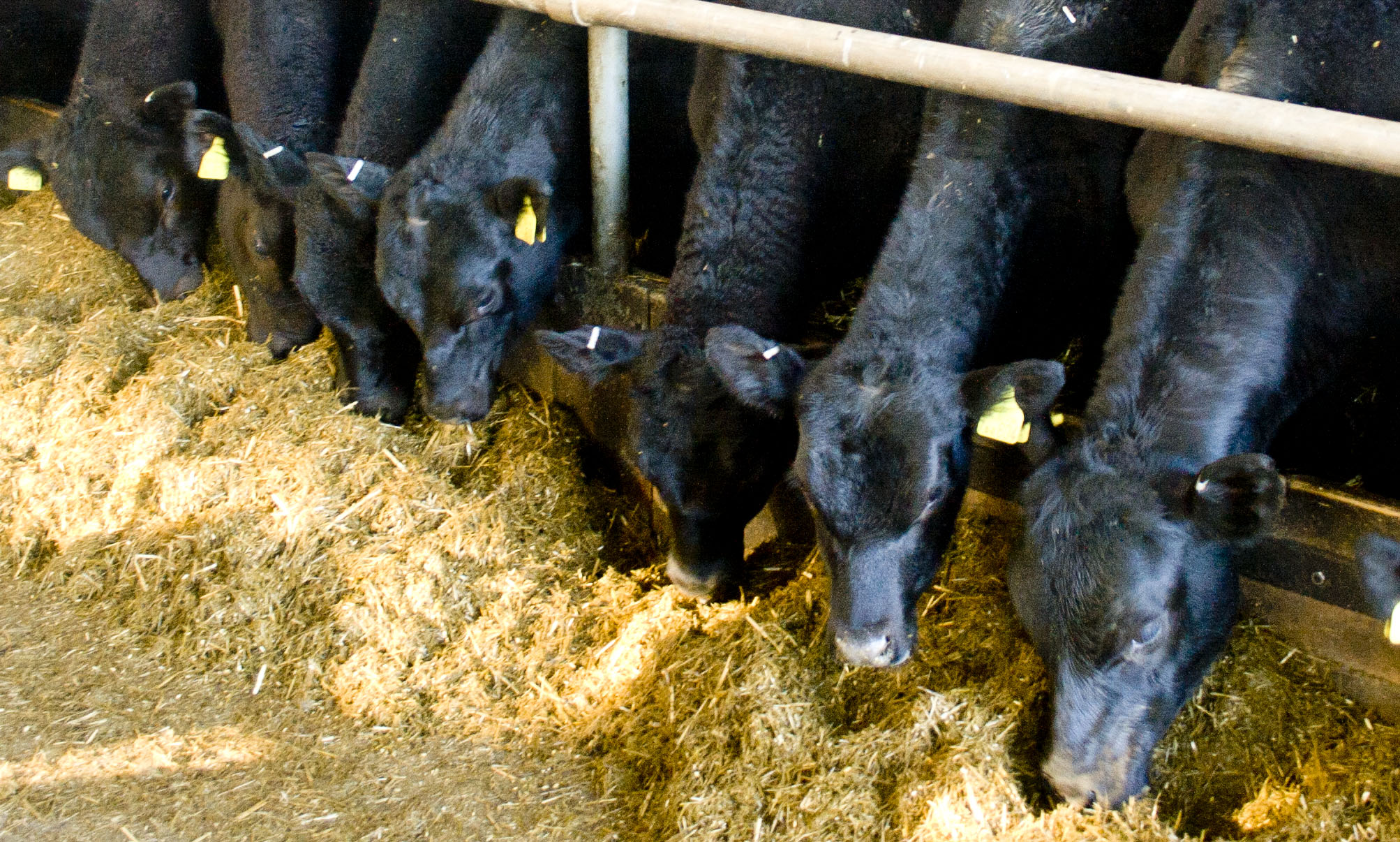
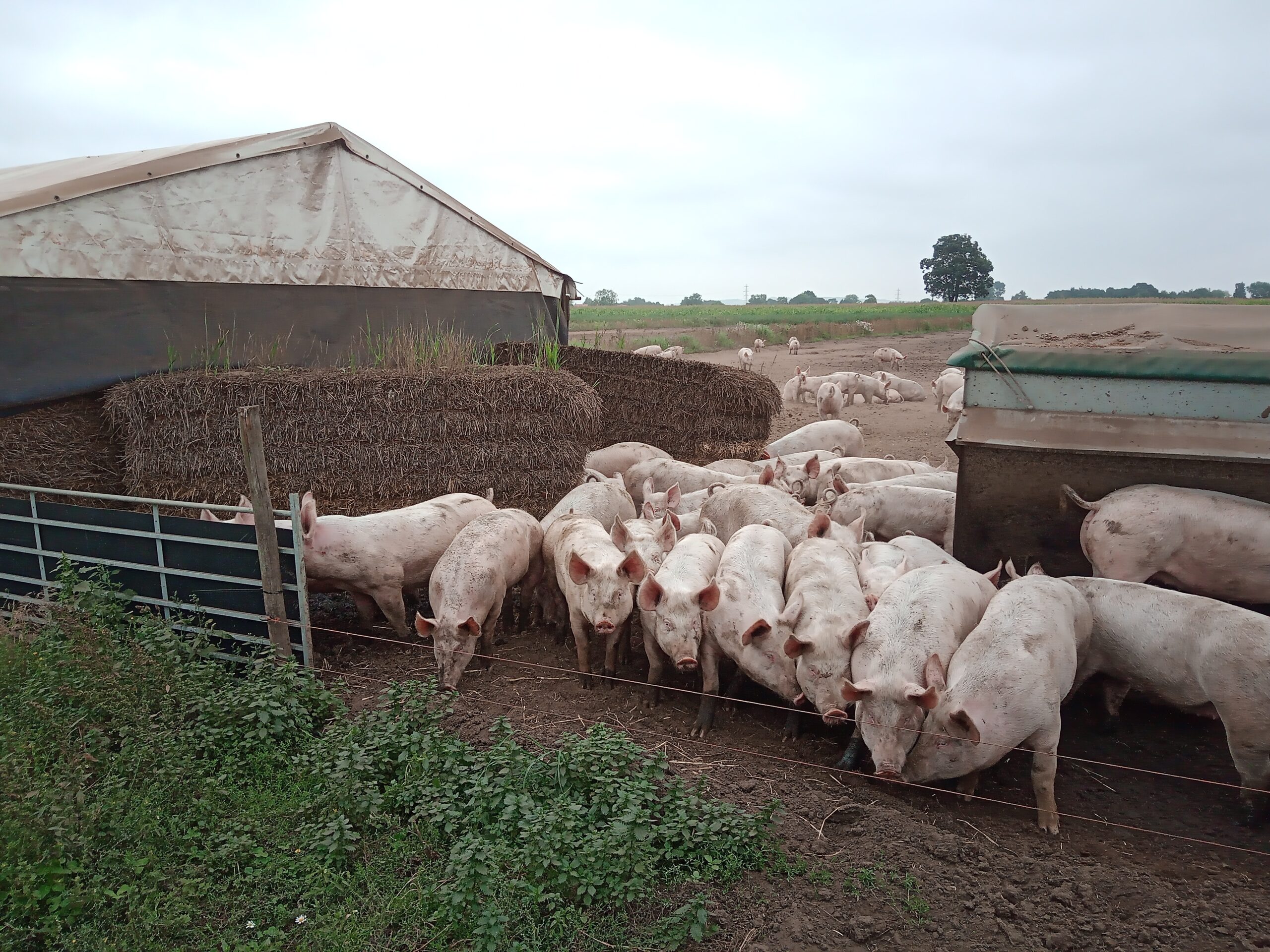
Some ideas for photographs, videos, witness statements or practical activities to record as Evidence in your Learning Journal.Duty Images
6 Steps to Great Journal Entries
1. WHAT
What did you do?
2. WHO
Who was involved?
3. TYPE
What kind of job is it?
4. HOW
How was it done? Tools/equipment/steps
5. WHY
Why is it important?
6. SAFETY
How was it done safely?
What a suitable Learning Journal Entry Looks like...
Common Mistakes
⚠️ Common Learning Journal Mistakes
Writing too little
Example: “Fed cattle.” This gives very little evidence or detail.
Example: “Fed cattle.” This gives very little evidence or detail.
Forgetting the “why”
Explaining why the task matters shows understanding and learning.
Explaining why the task matters shows understanding and learning.
Missing safety information
PPE, machinery safety and livestock awareness are often forgotten.
PPE, machinery safety and livestock awareness are often forgotten.
Not mentioning teamwork
Working with supervisors or stock staff is useful evidence.
Working with supervisors or stock staff is useful evidence.
Writing a task list
“Fed cattle. Checked water. Cleaned yard.” does not explain the work properly.
“Fed cattle. Checked water. Cleaned yard.” does not explain the work properly.
Using vague wording
Words like “stuff” or “helped out” do not show real evidence.
Words like “stuff” or “helped out” do not show real evidence.
Repeating the same entry
Using the same wording every week weakens journal evidence.
Using the same wording every week weakens journal evidence.
Missing observations
Good entries mention animal behaviour, feed intake, water supply or machinery checks.
Good entries mention animal behaviour, feed intake, water supply or machinery checks.
Forgetting equipment used
Mentioning feeder wagons or handling systems strengthens evidence.
Mentioning feeder wagons or handling systems strengthens evidence.
Not explaining learning
Strong entries show understanding, not just completing jobs.
Strong entries show understanding, not just completing jobs.