Activities to Cover
- How activities are taken to avoid pollution of soil, air and water courses.
- Check and maintain field boundaries
- Carry out a 3-2-1 environment audit of your farm and Identify and record the following:
- 3 risks to soil, air, or water
- 2 examples of good environmental practice.
- 1 improvement action you could take
Practical Evidence Ideas
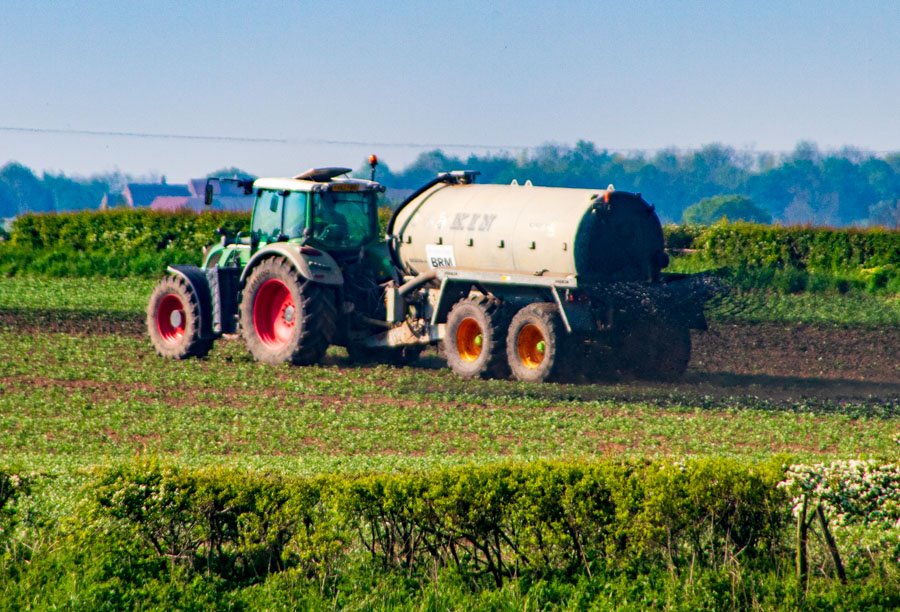
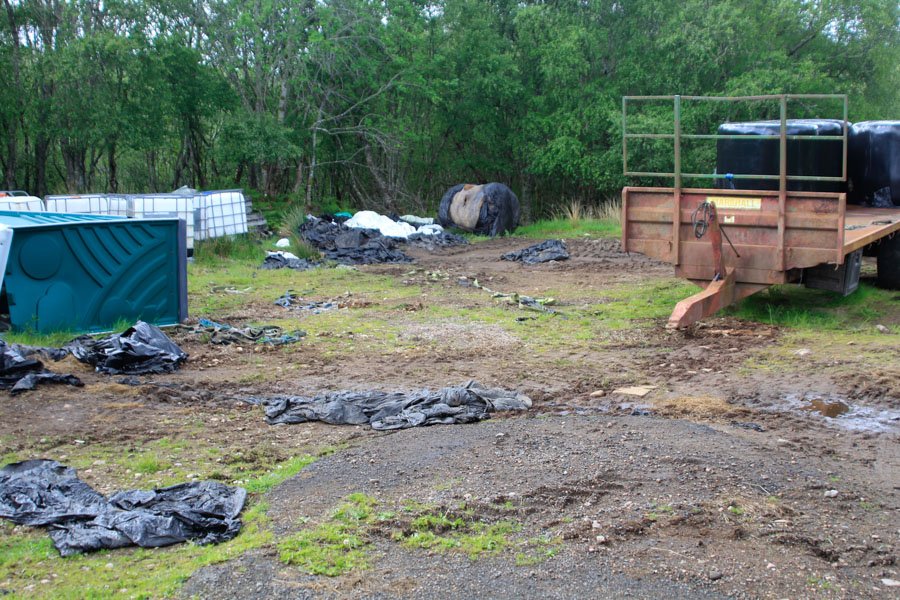
Some ideas for photographs, videos, witness statements or practical activities to record as Evidence in your Learning Journal.Duty Images
6 Steps to Great Journal Entries
What a suitable Learning Journal Entries Looks like...
Environmental 3-2-1 Audit
Today I carried out an environmental audit around the farm with my supervisor. We looked at different areas of the farm to identify environmental risks and good practices that help protect the environment.
During the audit I found three environmental risks. The first was a section of compacted soil near a gateway where machinery regularly travels, which could increase surface water run-off. The second was a diesel storage area where a spill could potentially reach a nearby drain if not managed correctly. The third was dust being created during grain handling, which could affect air quality.
We also identified two examples of good environmental practice. The farm has grass buffer strips alongside watercourses to reduce soil erosion and prevent nutrients entering the water. The farm also stores chemicals in a secure bunded store to reduce the risk of pollution.
As an improvement action, I suggested placing additional absorbent spill kits near the fuel storage area so any leaks could be dealt with quickly.
This was an environmental management task carried out through observation, inspection and discussion. It is important because it helps reduce pollution risks, protects wildlife habitats, and ensures the farm complies with environmental regulations.
The audit was completed safely by wearing appropriate PPE, staying clear of moving machinery, following site rules, and being aware of vehicle movements around the farm.
Common Mistakes
Example: "Did Environment Audit" cattle.” This gives very little evidence or detail.
Explaining why the task matters shows understanding and learning.
PPE, machinery safety and livestock awareness are often forgotten.
Working with supervisors or stock staff is useful evidence.
Worked round yard and buildings does not explain the audit properly.
Words like “stuff” or “helped out” do not show real evidence.
Using the same wording every week weakens journal evidence.
Good entries mention what you saw and how it relates to the environment.
Mentioning things you saw that can affect the environment strengthens evidence.
Strong entries show understanding, not just completing jobs.