Activities to Cover
- BREEDING AND MATING OF LIVESTOCK – including selecting suitable breeding stock and signs of heat or oestrus.
- CARE OF PREGNANT LIVESTOCK
- PARTURITION - Livestock at, just after or around birth
- NEWBORN CARE - Care of newborn livestock, including any routine treatments and tasks carried out
- FEEDING through to weaning of newborn livestock (remember weaning means taking off milk not just separating from mother)
- RECORDS AND TECHNOLOGY involved with mating, pregnant livestock and newborn livestock.
Practical Evidence Ideas
Some ideas for photographs, videos, witness statements or practical activities to record as evidence in your Learning Journal for breeding and mating work.Duty Images
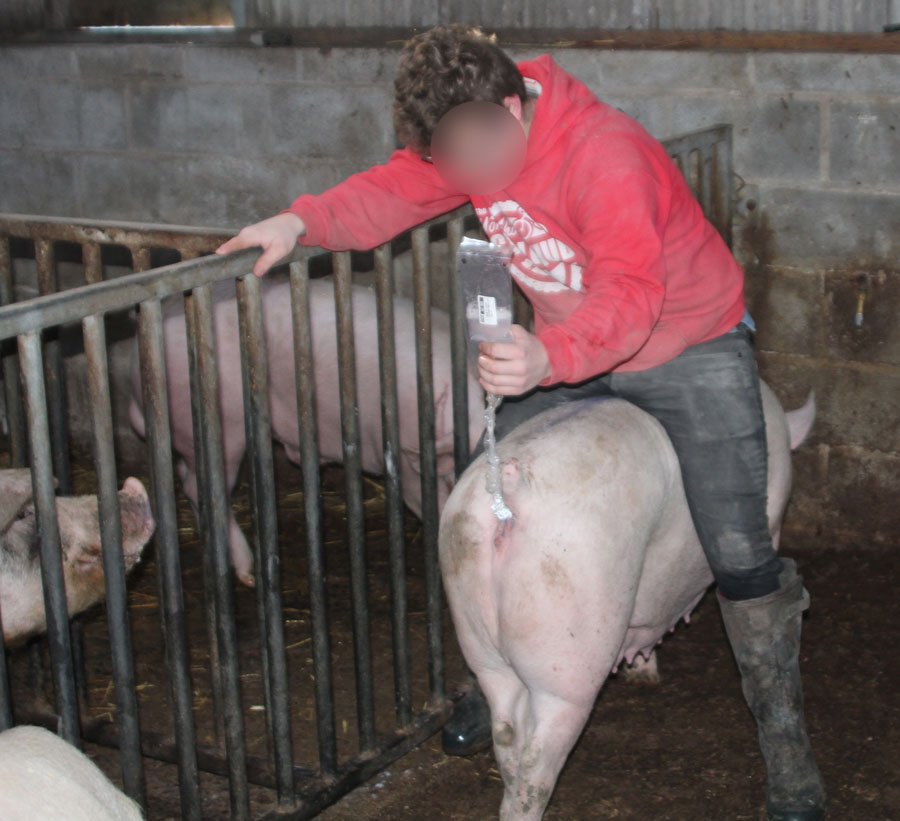
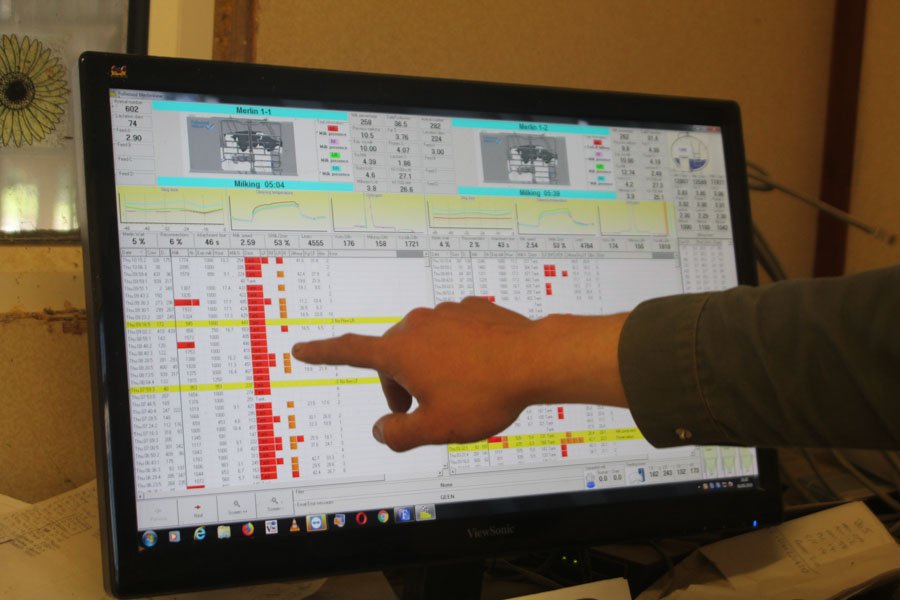
6 Steps to Great Journal Entries
What a Suitable Learning Journal Entry Looks Like
Below are two examples that could be used as evidence:
1. Heat detection and breeding preparation.
2. Assisting with service planning and breeding records.
Heat Detection and Breeding Preparation.
Today I worked with the farm manager and a stockperson to check replacement ewes during tupping. We looked for signs of heat and selected animals that were ready for service, then recorded their tag numbers so the mating groups were accurate. It was a breeding and mating job, and I learned how important timing is if you want good conception rates and a tighter lambing period.
We used handling pens, EID tags, a hand-held reader, and body condition scoring while moving the ewes calmly through the race and sorting them into the right groups. I wore gloves and steel toe cap boots, stayed in safe handling positions around gates and panels, and followed the manager's instructions throughout so the task was done safely for both people and livestock.
Assisting with Service Planning and Breeding Records.
I helped the farm manager and office administrator update breeding records after service, including sire details, service dates, and expected lambing windows for each ewe group. We checked the entries against notes from the stock team, and this gave me a better understanding of how breeding administration supports flock performance monitoring.
We used EID reports, service sheets, and the farm recording system to correct missing information and produce a draft lambing plan. I could see why accurate records matter because they help with feed planning, staffing, and vet decisions later in the season. We worked safely by following yard and office routines, keeping records secure, and only entering pens when instructed and livestock were properly restrained.
Common Mistakes
Example: "Checked ewes during lambing".” This gives very little evidence or detail.
Explaining why the task matters shows understanding and learning.
PPE, safety awareness are often forgotten.
Working with supervisors or stock staff is useful evidence.
Fed calves and checked their water supply.
Words like “stuff” or “helped out” do not show real evidence.
Using the same wording every week weakens journal evidence.
Good entries mention details observed and any issues found.
Mentioning any equipment usedstrengthens evidence.
Strong entries show understanding, not just completing jobs.