Activities to Cover
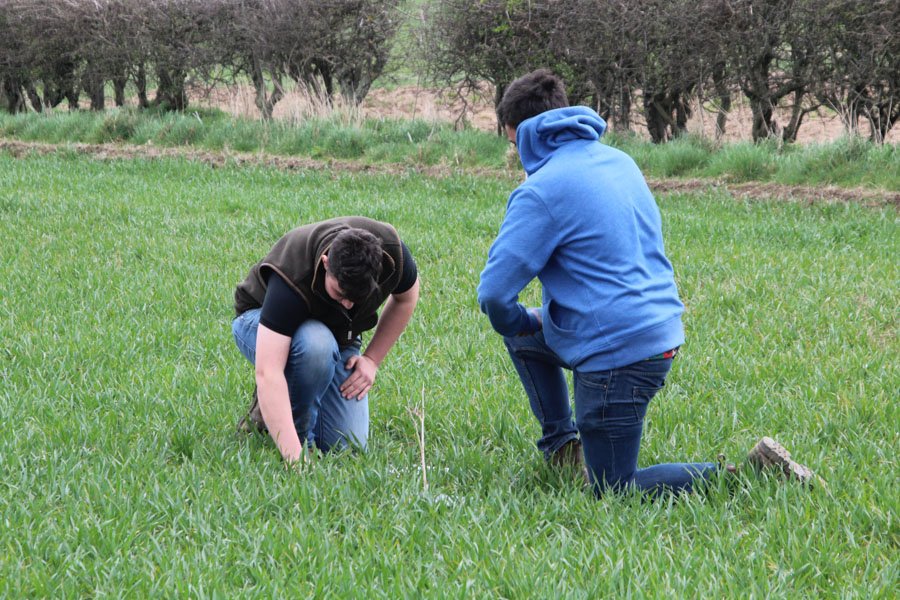
- Assist with Crop Monitoring by walking several crops at different stages throughout the year both alone and with employer/agronomist
Practical Evidence Ideas
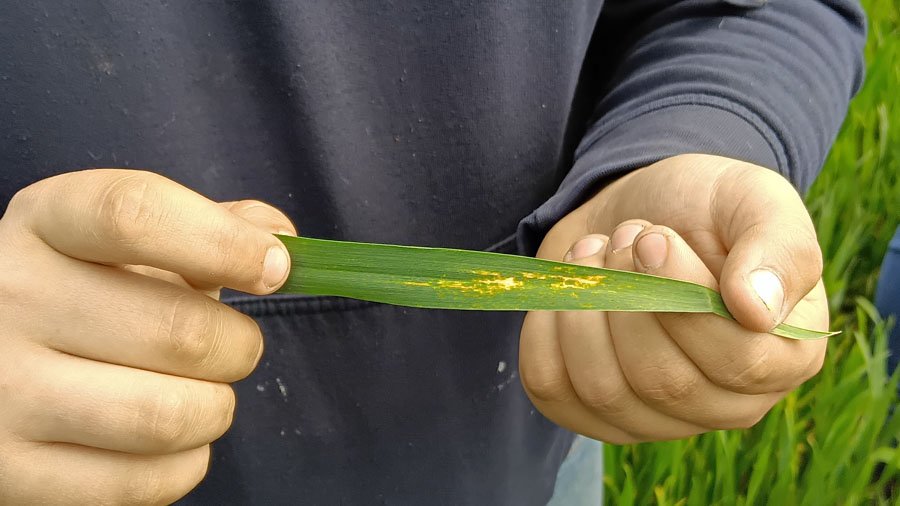
Some ideas for photographs, videos, witness statements or practical activities to record as evidence in your Learning Journal for crop monitoring.Duty Images
6 Steps to Great Journal Entries
What a Suitable Learning Journal Entry Looks Like
Below are two examples that could be used as evidence:
1. Monitoring crop growth and condition.
2. Reporting crop issues and follow-up checks.
Monitoring Crop Growth and Condition.
Today I worked with the farm manager and agronomist to walk three fields of wheat and oilseed rape at different growth stages. We checked plant development, crop colour, and crop density, and I recorded what I saw in the field notebook and app so we could compare with previous checks. This was a crop monitoring task and it helped me understand how regular observations guide decisions on nutrition, crop protection, and timing of field operations.
We used field maps, growth-stage guides, and photo records to track changes across the week, and I reported areas that looked uneven so they could be checked again. I worked safely by wearing PPE, using agreed access routes, staying clear of moving machinery, and following instructions while crossing gateways and headlands.
Reporting Crop Issues and Follow-up Checks.
I carried out a follow-up crop walk after earlier notes showed possible disease pressure in one wheat field and blackgrass patches in another. I checked the same areas with the agronomist, took clear photos, and recorded how the affected patches had changed since the previous visit. This was a crop health monitoring and reporting task, and it showed me how important consistent reporting is for deciding the next action.
We used field markers, photo comparisons, and the farm app to log exact locations and priorities for follow-up. I then shared the findings with the farm manager so treatment timing and workload could be planned properly. I worked safely by keeping to field edges where possible, staying visible around machinery, and following instructions when entering and leaving active work areas.
Common Mistakes
Example: "Walked a crop field". This gives very little evidence or detail.
Explaining why the task matters shows understanding and learning.
PPE, safety awareness are often forgotten.
Working with supervisors or stock staff is useful evidence.
Fed calves and checked their water supply.
Words like “stuff” or “helped out” do not show real evidence.
Using the same wording every week weakens journal evidence.
Good entries mention details observed and any issues found.
Mentioning any equipment usedstrengthens evidence.
Strong entries show understanding, not just completing jobs.