Activities to Cover
- Record of several field activities linked to growing a crop: cultivation, nutrient application, harvesting activities for example
Practical Evidence Ideas
Some ideas for photographs, videos, witness statements or practical activities to record as evidence in your Learning Journal for crop establishment.Duty Images
6 Steps to Great Journal Entries
What a Suitable Learning Journal Entry Looks Like
Below are two examples that could be used as evidence:
1. Seedbed preparation and drilling operations.
2. Establishment checks and early crop support.
Seedbed Preparation and Drilling Operations.
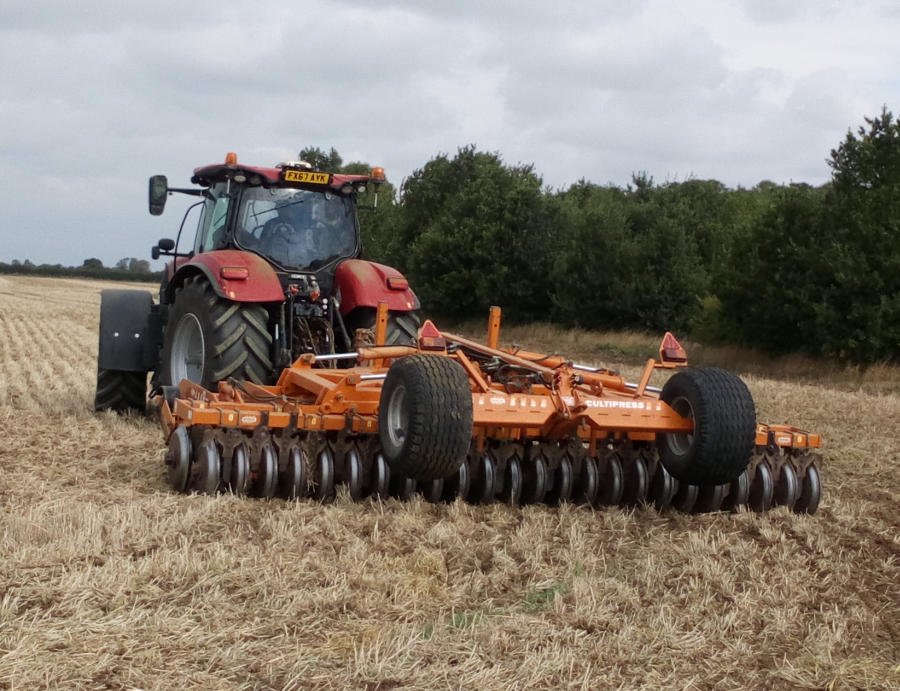
Today I worked with the farm manager to prepare a field for spring barley establishment. We checked soil conditions, adjusted cultivation depth, and prepared a level seedbed before drilling started. This was a crop establishment task and I learned how seedbed quality directly affects germination, root development, and final plant population.
During drilling I helped check seed rate and forward speed, and recorded settings so they could be compared across fields. We used the tractor and drill setup sheet, field map, and in-cab monitor to keep the job consistent. I worked safely by wearing PPE, staying in safe zones when machinery was operating, and only approaching equipment when the operator had stopped and confirmed it was safe.
Establishment Checks and Early Crop Support.
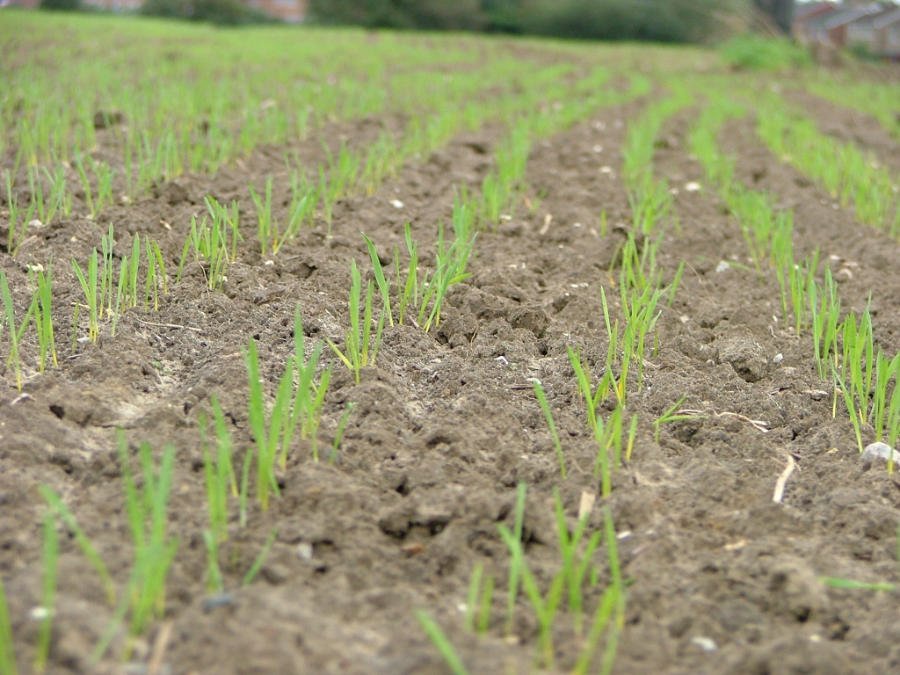
I completed an early establishment check with the agronomist one week after drilling to assess emergence and identify any patchy areas. We counted plants in sample squares, checked row spacing, and compared different parts of the field to see where establishment was strongest and where support might be needed.
We logged photos and counts into the farm record system and agreed on follow-up checks for areas affected by surface capping and wheelings. This work is important because early action protects plant populations and helps maintain yield potential. I worked safely by keeping to agreed routes, staying visible near working machinery, and following supervisor instructions when entering active field areas.
Common Mistakes
Example: "Prepared a field". This gives very little evidence or detail.
Explaining why the task matters shows understanding and learning.
PPE, safety awareness are often forgotten.
Working with supervisors or stock staff is useful evidence.
Fed calves and checked their water supply.
Words like “stuff” or “helped out” do not show real evidence.
Using the same wording every week weakens journal evidence.
Good entries mention details observed and any issues found.
Mentioning any equipment usedstrengthens evidence.
Strong entries show understanding, not just completing jobs.