Duty 2: Biosecurity
Operate within strict bio-security practices.
Activities to Cover
- Implementing visitor policy. Maintain the cleanliness and biosecurity, of the working environment.
- Carry out a biosecurity audit of your farm and Identify and record the following:
- Areas where biosecurity is in operation (visitors, cleaning, disinfecting, appropriate animal treatments)
- Example of good biosecurity practice.
- ONE improvement action you could take
Practical Evidence Ideas
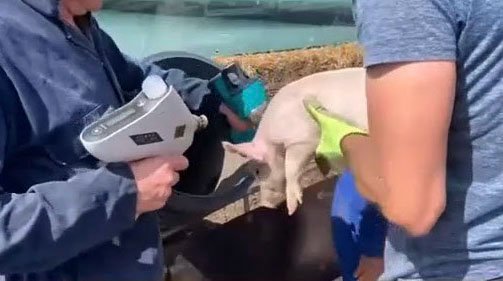
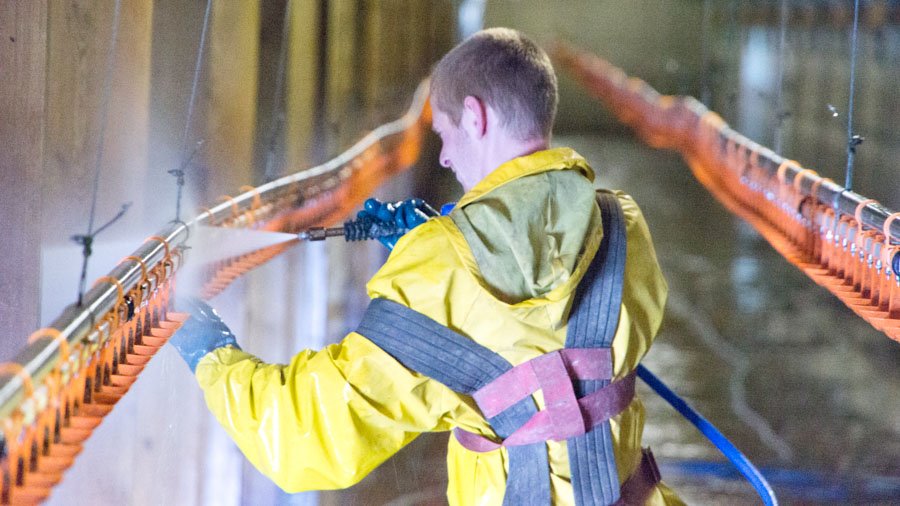
Some ideas for photographs, videos, witness statements or practical activities to record as Evidence in your Learning Journal.Duty Images
6 Steps to Great Journal Entries
1. WHAT
What did you do?
2. WHO
Who was involved?
3. TYPE
What kind of job is it?
4. HOW
How was it done? Tools/equipment/steps
5. WHY
Why is it important?
6. SAFETY
How was it done safely?
What a suitable Learning Journal Entries Looks like...
Below are two examples that could be used as evidence:
1. A day-to-day biosecurity task
2. A biosecurity audit and improvement activity
🦠 Daily Biosecurity Procedures
Today I carried out normal biosecurity jobs while working with the livestock.
Before entering the sheds, I cleaned my boots and used the footbath.
I helped keep the livestock area clean by sweeping up and cleaning feeding equipment.
I also followed the visitor procedure when a delivery driver arrived on the farm.
These jobs help stop diseases spreading between animals.
I worked safely by wearing PPE, washing my hands, and being careful around livestock and wet surfaces.
📋 So in Summary - Here's how this Jounral Entry hit the 6 key points
WHAT → Followed daily biosecurity procedures
WHO → Worked with farm staff and visitors
TYPE → Routine livestock and hygiene work
HOW → Used footbaths and cleaned equipment
WHY → Reduce disease risk on the farm
SAFETY → PPE, hand washing, and safe working practices
🔍 Biosecurity Audit
Today I completed a biosecurity audit with my supervisor.
We checked visitor controls, footbaths, cleaning routines, and animal treatment records.
I recorded where biosecurity measures were being used around the farm.
One good biosecurity practice was that visitors had to sign in before entering livestock areas.
One improvement I identified was adding clearer signs at the farm entrance to remind visitors about biosecurity rules.
The audit helped me understand how biosecurity protects animal health.
I worked safely by wearing PPE and following farm hygiene procedures.
📋 So in Summary - Here's how this Jounral Entry hit the 6 key points
WHAT → Completed a farm biosecurity audit
WHO → Worked with my supervisor
TYPE → Farm inspection and animal health task
HOW → Checked controls, records, and hygiene measures
WHY → Identify strengths and improvements
SAFETY → PPE and good hygiene practices
Common Mistakes
⚠️ Common Learning Journal Mistakes
Writing too little
Example: “Washed Pen.” This gives very little evidence or detail.
Example: “Washed Pen.” This gives very little evidence or detail.
Forgetting the “why”
Explaining why the task matters shows understanding and learning.
Explaining why the task matters shows understanding and learning.
Missing safety information
PPE, machinery safety and livestock awareness are often forgotten.
PPE, machinery safety and livestock awareness are often forgotten.
Not mentioning teamwork
Working with supervisors or stock staff is useful evidence.
Working with supervisors or stock staff is useful evidence.
Writing a task list
“Power Washed Pens. Disinfected Pens. ” does not explain the work properly.
“Power Washed Pens. Disinfected Pens. ” does not explain the work properly.
Using vague wording
Words like “stuff” or “helped out” do not show real evidence.
Words like “stuff” or “helped out” do not show real evidence.
Repeating the same entry
Using the same wording every week weakens journal evidence.
Using the same wording every week weakens journal evidence.
Missing observations
Good entries mention What washed in pen and check clean. Disinfectant procedures, PPE etc
Good entries mention What washed in pen and check clean. Disinfectant procedures, PPE etc
Forgetting equipment used
WHat mucked out with. Power Washed Used (Hot / cold water, diesel or elctric power - how safe) strengthens evidence.
WHat mucked out with. Power Washed Used (Hot / cold water, diesel or elctric power - how safe) strengthens evidence.
Not explaining learning
Strong entries show understanding, not just completing jobs.
Strong entries show understanding, not just completing jobs.