Activities to Cover
- CROPS, GRASS & FORAGE – Monitoring any / all of these for growth, health and sward / crop maintenance
- CROP / FORAGE HARVESTING, STORAGE & MONITORING – Prepare/maintain crop/forage storage (pest control, temperature monitoring).
- CROPS, GRASS & FORAGE – Selecting for grazing / forage production / harvest
Practical Evidence Ideas
Some ideas for photographs, videos, witness statements or practical activities to record as evidence in your Learning Journal for crop and forage operations.Duty Images
6 Steps to Great Journal Entries
What a Suitable Learning Journal Entry Looks Like
Below are two examples that could be used as evidence:
1. Crop monitoring and field decisions.
2. Forage harvesting and storage management.
Crop Monitoring and Field Decisions.
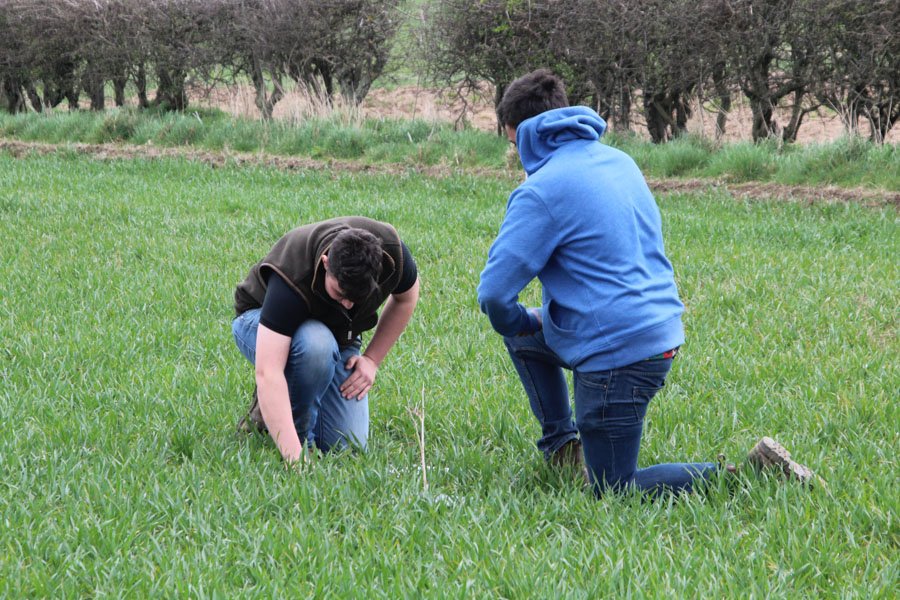
Today I worked with the farm manager and agronomist to walk wheat and barley fields at different growth stages. We checked crop density, leaf colour, weeds, and any signs of disease pressure, then recorded what we found and discussed whether the crop needed any follow-up action. It was a crop monitoring and husbandry task, and I learned how regular checks help us make better decisions on nutrition, protection, and timing of operations.
We used a field map, notebook, and mobile recording app, and compared current observations with previous entries so we could spot changes quickly. I worked safely by wearing boots and high-visibility clothing, using safe access routes around machinery, and following instructions when moving between active field operations.
Forage Harvesting and Storage Management.
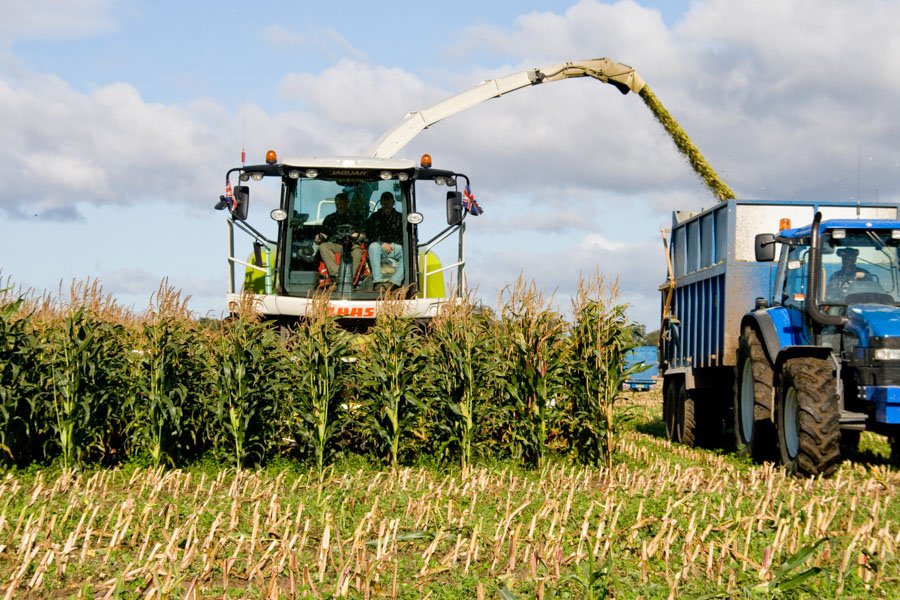
I helped with maize silage harvesting and then checked the clamp setup with the farm team. We recorded trailer loads, checked chop quality, and monitored compaction as material was added to the clamp. This was a forage operations task and I learned how harvesting and storage quality directly affect feed value later in the year.
We used tractors, trailers, loader equipment, and the storage checklist to prepare and seal the clamp correctly, then set up regular temperature and pest checks for the following days. I worked safely by using PPE, staying clear of moving machinery, communicating clearly with drivers and loader operators, and following the traffic plan for the yard and clamp area.
Common Mistakes
Example: "Checked ewes during lambing".” This gives very little evidence or detail.
Explaining why the task matters shows understanding and learning.
PPE, safety awareness are often forgotten.
Working with supervisors or stock staff is useful evidence.
Fed calves and checked their water supply.
Words like “stuff” or “helped out” do not show real evidence.
Using the same wording every week weakens journal evidence.
Good entries mention details observed and any issues found.
Mentioning any equipment usedstrengthens evidence.
Strong entries show understanding, not just completing jobs.