Activities to Cover
- RESTRAINING and handling LIVESTOCK in a safe and appropriate manner.
- MOVING and handling LIVESTOCK in a safe and appropriate manner
- RECORDS involved with either or both of these activities. Movement or vaccination records for example. This can be a separate entry or included on the above entries
- PLANNING COMMUNICATING AND TEAMWORK Explain how these tasks were planned, how everyone would work as a team and how this was communicated to those in the team
Practical Evidence Ideas
Some ideas for photographs, videos, witness statements or practical activities to record as Evidence in your Learning Journal.Duty Images
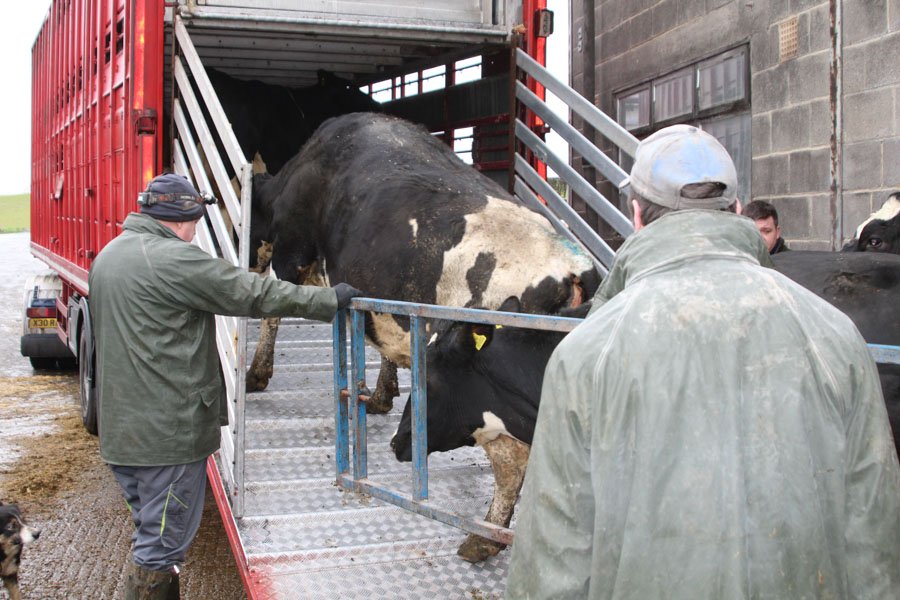
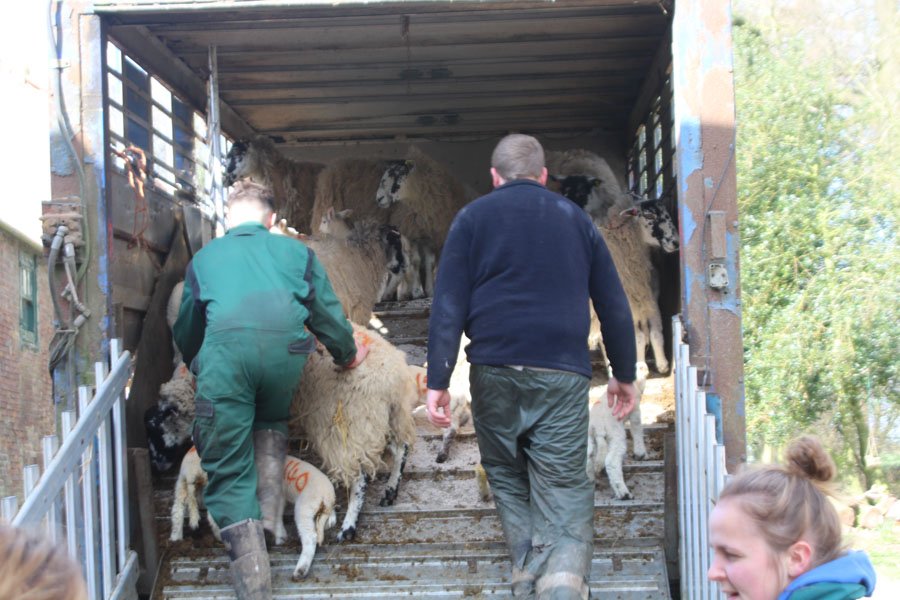
6 Steps to Great Journal Entries
What a suitable Learning Journal Entries Looks like...
Below are two examples that could be used as evidence:
1. Livestock Housing and Natural Behaviour
2. Daily Housing Checks
Restraining and Handling Livestock
Today I helped move a group of beef cattle through the handling system for weighing and routine health checks. Before starting, the farm manager explained the plan and allocated roles to each member of the team. I worked alongside the farm manager and another farm worker to move the cattle calmly from the yard into the race and crush.
We checked the gates, race and crush before use to make sure everything was working correctly. The cattle were moved quietly to reduce stress and each animal was safely restrained in the crush while health checks were completed. Throughout the task we communicated clearly with each other so everyone knew what was happening and where the cattle needed to move next.
This work is important because it allows animals to be checked for health issues, weighed accurately and handled safely. It also helps maintain animal welfare and reduces the risk of injury to livestock and staff. I wore the correct PPE, including steel toe cap boots, stayed alert to animal behaviour and followed the farm's safe working procedures at all times.
🔍 Livestock Record, Planning, Communication & Teamwork
Today I helped with livestock movement records when cattle were transported to another farm. Before the animals were loaded, the farm manager held a short discussion with the team to explain the movement plan and allocate responsibilities. I worked with the farm manager and the livestock haulier throughout the task.
My role was to check animal identification numbers against the movement paperwork and help update the farm records. We communicated throughout the process to ensure the correct animals were selected and all information was recorded accurately. Once the cattle had been loaded and transported, I helped complete the movement records with the destination, date and number of animals moved.
My Accurate records are important because they are a legal requirement and provide full traceability of livestock movements. Good planning and teamwork helped the movement run smoothly and reduced delays. We followed safe loading procedures, ensured gates and ramps were secure and handled the cattle calmly to minimise stress and reduce the risk of injury.
Common Mistakes
Example: "Moved" cattle.” This gives very little evidence or detail.
Explaining why the task matters shows understanding and learning.
PPE, machinery safety and livestock awareness are often forgotten.
Working with supervisors or stock staff is useful evidence.
“Set hurdles up" "Loaded Trailer" "Moved Cattle" does not explain the work properly.
Words like “stuff” or “helped out” do not show real evidence.
Using the same wording every week weakens journal evidence.
Good entries mention animal behaviour, equipement / machinery checks, documents needed.
Mentioning equipment used or handling systems strengthens evidence.
Strong entries show understanding, not just completing jobs.