Activities to Cover
- Any maintenance and repairing jobs you do around farm.
- Checking oil in farm machinery
- Fences
- Water Troughs
- Gates
- Cattle Crush
- General Building maintenance – cleaning drains out, tidying yard etc
Practical Evidence Ideas
Some ideas for photographs, videos, witness statements or practical activities to record as Evidence in your Learning Journal.Duty Images
6 Steps to Great Journal Entries
What a suitable Learning Journal Entries Looks like...
Below are two examples that could be used as evidence:
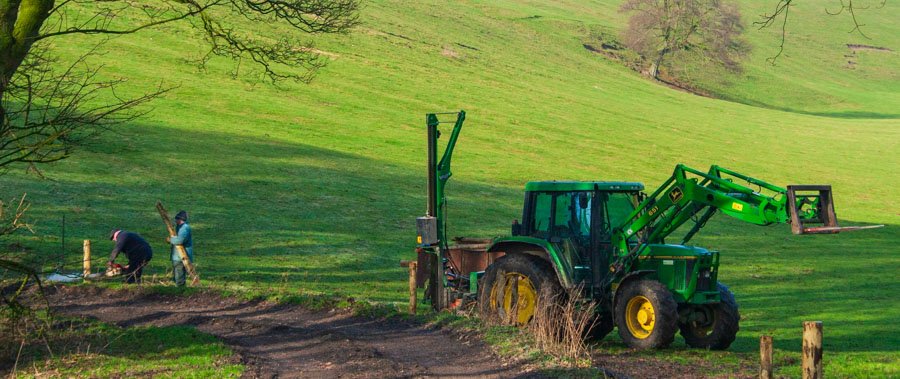
1. Repairing Fences and Gates
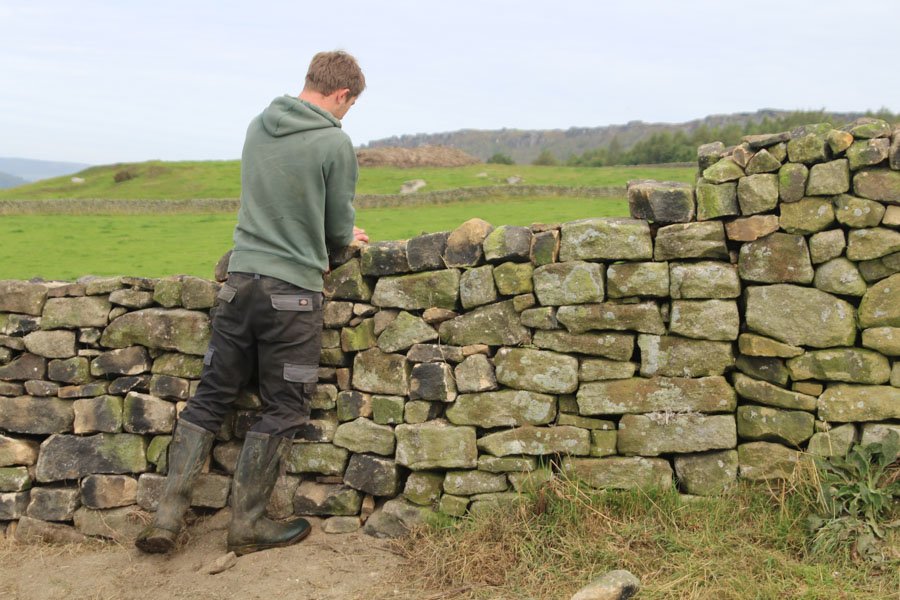
2. General Farm Maintenance - Dry Stone Walling.
Repairing Fences & Gates
Today I helped repair a section of stock fencing and a gate in one of the cattle fields. The farm manager showed me which area needed attention because some fence posts had become loose and the gate was not shutting properly.
This was a farm maintenance job to make sure the infrastructure was safe and secure for the livestock. We used a post rammer, fencing pliers, staples, a spanner and replacement hinges for the gate. First, we checked the damaged area and removed the broken staples. We then straightened the wire, replaced a loose post and secured the fencing again. After that, we adjusted and tightened the gate fittings and checked that it opened and closed correctly.
Keeping fences and gates in good condition is important because it prevents livestock escaping, protects public safety and reduces the risk of animals becoming injured. It also makes moving stock around the farm easier and helps maintain good biosecurity.
The work was carried out safely by wearing steel-toe-capped boots and gloves, checking for hazards such as barbed wire and uneven ground, using tools correctly and keeping a safe distance while using the post rammer. We also made sure the gate was supported while repairs were being completed.
🔍 Checking Oil and carrying out yard maintenance.
Today I carried out some routine maintenance jobs around the farm, including checking the engine oil on the tractor and helping clean blocked drains and tidy the machinery yard.
completed the work with one of the experienced farm workers, who explained the importance of carrying out daily checks before machinery is used. This was a maintenance and monitoring task that forms part of looking after farm infrastructure and machinery.
To check the tractor oil, I parked the tractor on level ground, switched the engine off and allowed it to cool. I then removed the dipstick, cleaned it, reinserted it and checked that the oil level was within the correct range. After that, we cleaned leaves and debris from drains, swept the yard and removed rubbish from around the machinery storage area.
These jobs are important because checking oil levels helps prevent machinery breakdowns and expensive repairs. Cleaning drains and keeping the yard tidy reduces the risk of flooding, slips and trips and keeps the farm looking professional and organised.
The work was completed safely by wearing gloves and safety boots, making sure machinery was switched off before carrying out checks, using tools correctly and keeping clear of moving vehicles operating in the yard.
Common Mistakes
Example: "Repaired fecnes".” This gives very little evidence or detail.
Explaining why the task matters shows understanding and learning.
PPE, safety awareness are often forgotten.
Working with supervisors or stock staff is useful evidence.
Fixed fence, check loader oil does not explain the work properly.
Words like “stuff” or “helped out” do not show real evidence.
Using the same wording every week weakens journal evidence.
Good entries mention details observed and any issues found.
Mentioning any equipment used (hammer, saw, wire tightener ) strengthens evidence.
Strong entries show understanding, not just completing jobs.