Activities to Cover
- Administration of routine treatments, under supervision and engaging with third parties such as vets
- How animal welfare requirements are met
- Signs of health and, or ill health in livestock (cattle: beef and dairy, pigs, sheep and goats). The zoonotic, non-zoonotic and notifiable diseases (for example, BSE) and their impact on human health
- Assisting with treatments when appropriate.
Practical Evidence Ideas
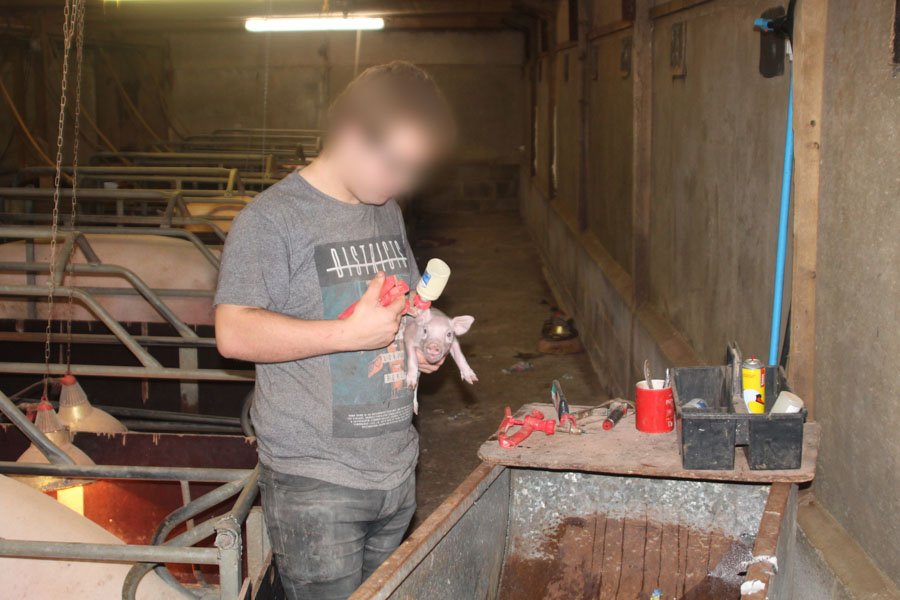
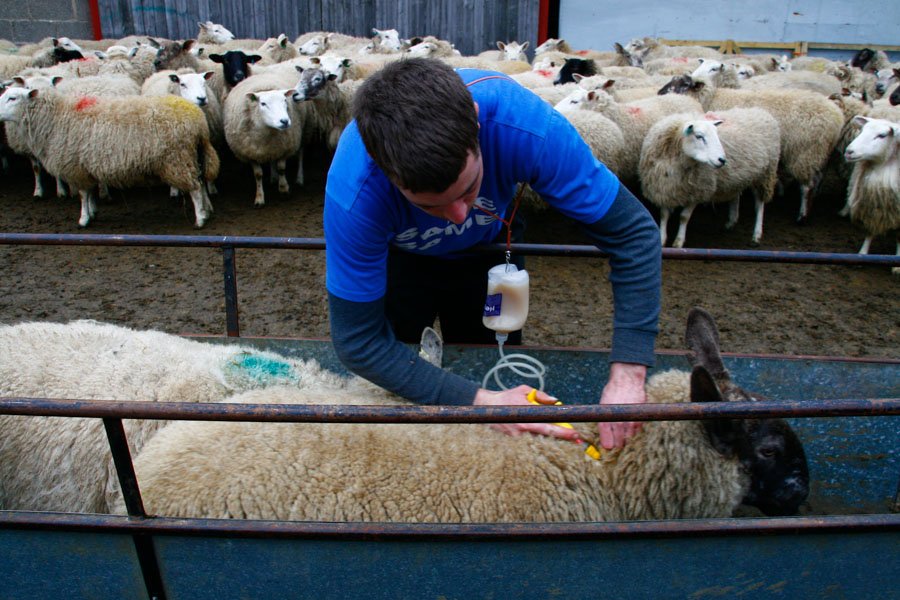
Some ideas for photographs, videos, witness statements or practical activities to record as Evidence in your Learning Journal.Duty Images
6 Steps to Great Journal Entries
What a suitable Learning Journal Entries Looks like...
Below are two examples that could be used as evidence:
1. Administering Routine Treatments And Working With The Vet.
2. Carrying Out Routine Health And Welfare Checks And Reporting Abnormal Findings.
Administering Routine Treatments And Working With The Vet
Today I helped with routine health treatments on a group of spring-born calves. The farm manager and vet were both involved. My job was to help move the calves into the handling system, identify each animal using their ear tags and assist with administering vaccines under supervision.
This was a livestock health and welfare task because we were carrying out preventative treatments to keep the calves healthy and reduce the risk of disease.
We started by gathering the calves quietly into the handling pen. I checked the identification numbers and recorded which animals had been treated. The vet administered the vaccine while I passed equipment, helped keep the records up to date and observed the correct dose and administration methods. I also checked the calves for any signs of ill health such as coughing, nasal discharge, poor body condition or lameness.
The treatments are important because preventing disease helps improve animal welfare, growth rates and farm productivity. Vaccination can reduce the risk of disease outbreaks and helps protect both the animals and the business. During the discussion, the vet also explained that some livestock diseases can affect humans (zoonotic diseases) and that it is important to recognise and report notifiable diseases immediately.
The work was carried out safely by wearing clean overalls, gloves and steel toe cap boots. We used the handling system correctly to reduce stress and prevent injury to both people and animals. Hands and equipment were cleaned afterwards to maintain good biosecurity and reduce the spread of disease.
Carrying Out Routine Health And Welfare Checks And Reporting Abnormal Findings.
Today I carried out routine health and welfare checks on a group of ewes and lambs with my supervisor. We checked the animals first thing in the morning to make sure they were healthy and behaving normally.
This was a livestock monitoring and welfare activity because we were assessing the condition and behaviour of the animals and reporting anything unusual.
During the checks, I observed whether the sheep were eating, moving normally and interacting with the flock. I looked for signs of ill health including lameness, isolation from the group, coughing, scouring and poor body condition. I noticed one ewe that was standing away from the others and was not eating properly. I reported this to my supervisor, who carried out a closer examination and arranged treatment.
We also discussed different diseases that can affect livestock. Some diseases are non-zoonotic and only affect animals, while others are zoonotic and can be passed to people. We talked about notifiable diseases such as BSE and why any suspected cases must be reported immediately because of the serious impacts on animal and human health.
These checks are important because spotting problems early means treatment can begin quickly, animal suffering can be reduced and disease spread can be prevented. Good welfare standards also help maintain productivity and meet legal and assurance scheme requirements.
The work was carried out safely by moving calmly around the sheep, wearing appropriate PPE and washing hands after handling animals. We followed biosecurity procedures and made sure gates and handling equipment were used correctly to prevent injuries.
Common Mistakes
Example: "jabbed piglets".” This gives very little evidence or detail.
Explaining why the task matters shows understanding and learning.
PPE, safety awareness are often forgotten.
Working with supervisors or stock staff is useful evidence.
Collected syringe and iron, Jabbed litter of pigs, recorded on board.
Words like “stuff” or “helped out” do not show real evidence.
Using the same wording every week weakens journal evidence.
Good entries mention details observed and any issues found.
Mentioning any equipment used (syringe, iron injection, marker, spare needles ) strengthens evidence.
Strong entries show understanding, not just completing jobs.