Activities to Cover
- Prestart Checks
- Maintenance Tasks
- Attachments & Other Equipment
- PTO Operation
- Rules and training to Legally Operate a farm vehicle
- Prepare and operate other machinery and equipment for safe and effective use
Practical Evidence Ideas
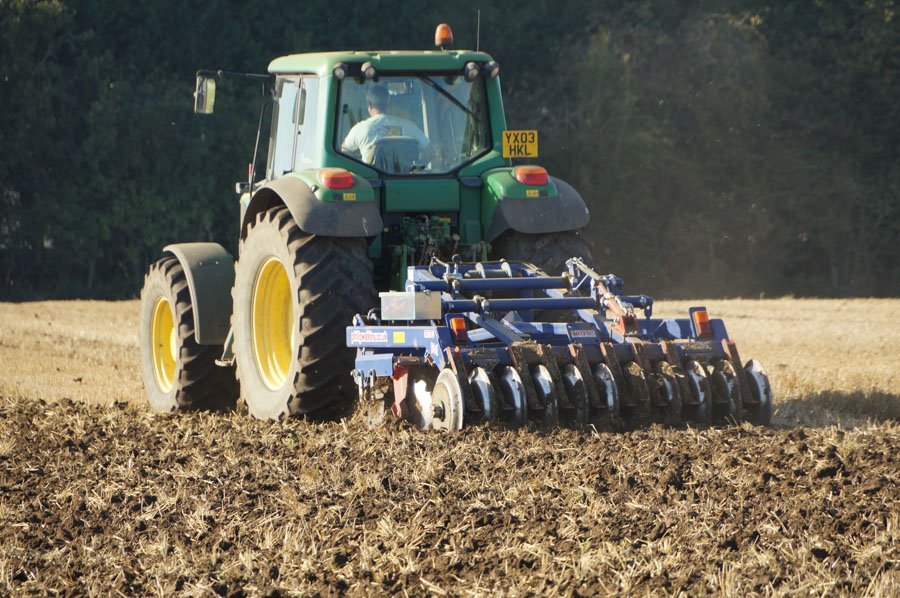
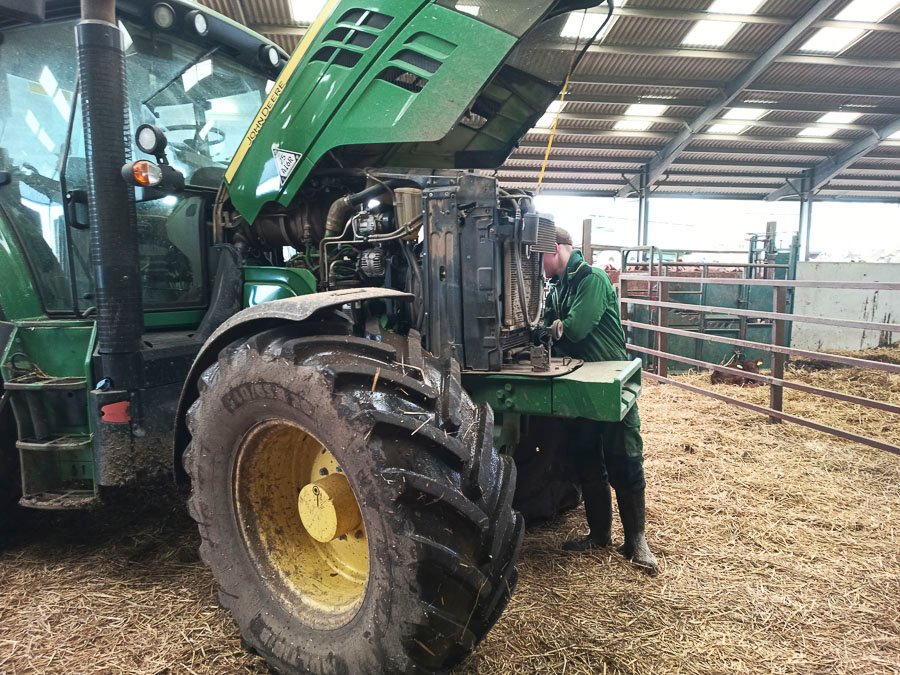
Some ideas for photographs, videos, witness statements or practical activities to record as Evidence in your Learning Journal.Duty Images
6 Steps to Great Journal Entries
What a suitable Learning Journal Entries Looks like...
Below are two examples that could be used as evidence:
1. Operating a Tractor and Carrying Out Pre-Start Checks
2. Attaching Equipment and Operating a PTO-Driven Machine
Operating a Tractor and Carrying Out Pre-Start Checks
Today I operated a tractor to move feed and equipment around the farm. Before starting work, I carried out the daily pre-start checks with guidance from my supervisor.
This was a vehicle operation task and routine maintenance check. I checked the engine oil, coolant, fuel level, tyres, lights, mirrors and warning beacons. I also checked for any leaks or damage around the tractor. Once the checks were complete, I started the tractor and allowed it to warm up before driving. I followed farm traffic routes and drove at a safe speed while carrying out the work.
These checks are important because they help identify faults before they become serious problems. They also help keep the tractor safe, reliable and legal to use while reducing the risk of breakdowns and accidents.
To work safely, I wore suitable PPE including safety boots and high-visibility clothing. I completed the checks with the engine off where required, used the handbrake when parked, checked my surroundings before moving off and followed all farm safety procedures and instructions.
🔍 Attaching Equipment and Operating a PTO-Driven Machine
Today I helped prepare and operate a PTO-driven topper attached to a tractor. My supervisor explained the correct procedure before I carried out the task.
This was a machinery preparation and operation job. I attached the topper to the tractor's three-point linkage and connected the PTO shaft. I checked that all guards were fitted correctly and that the attachment was secure. After carrying out the safety checks, I operated the tractor and topper in the field following the correct PTO speed and operating instructions.
This task is important because farm machinery must be attached and operated correctly to work efficiently and safely. Correct use of PTO equipment helps achieve a good quality job while preventing damage to machinery and reducing downtime.
To carry out the task safely, I followed my training, kept clear of moving parts, ensured all guards were in place and never approached the PTO while it was rotating. I switched off the tractor before making adjustments and followed all farm health and safety rules.
Common Mistakes
Example: "Moved" cattle.” This gives very little evidence or detail.
Explaining why the task matters shows understanding and learning.
PPE, machinery safety and livestock awareness are often forgotten.
Working with supervisors or stock staff is useful evidence.
“Set hurdles up" "Loaded Trailer" "Moved Cattle" does not explain the work properly.
Words like “stuff” or “helped out” do not show real evidence.
Using the same wording every week weakens journal evidence.
Good entries mention animal behaviour, equipement / machinery checks, documents needed.
Mentioning equipment used or handling systems strengthens evidence.
Strong entries show understanding, not just completing jobs.