Activities to Cover
- BREEDING AND MATING OF LIVESTOCK – including selecting suitable breeding stock and signs of heat or oestrus.
- CARE OF PREGNANT LIVESTOCK
- PARTURITION - Livestock at, just after or around birth
- NEWBORN CARE - Care of newborn livestock, including any routine treatments and tasks carried out
- FEEDING through to weaning of newborn livestock (remember weaning means taking off milk not just separating from mother)
- RECORDS AND TECHNOLOGY involved with mating, pregnant livestock and newborn livestock.
Practical Evidence Ideas
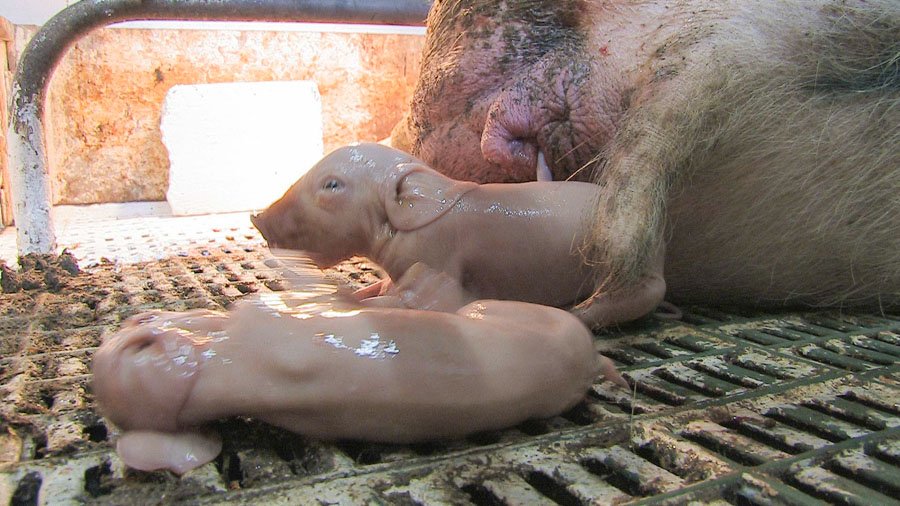
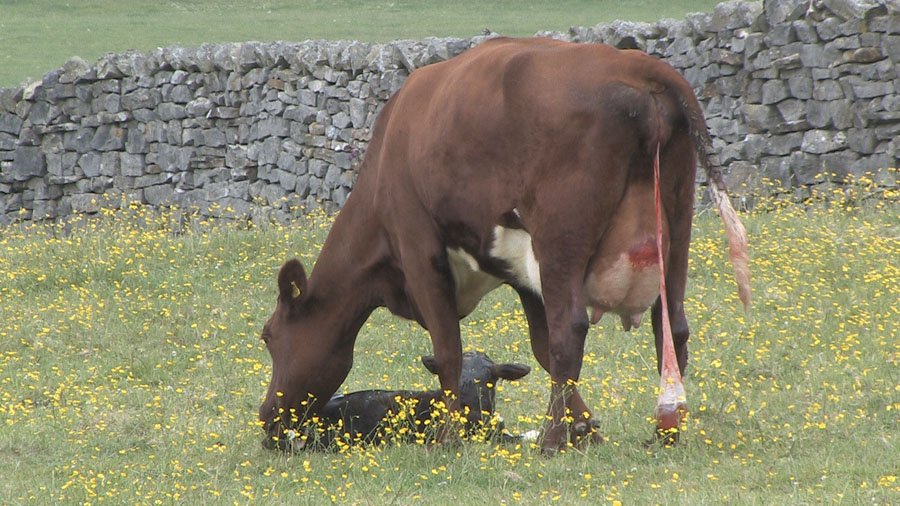
Some ideas for photographs, videos, witness statements or practical activities to record as Evidence in your Learning Journal.Duty Images
6 Steps to Great Journal Entries
What a suitable Learning Journal Entries Looks like...
Below are two examples that could be used as evidence:
1. Parturition, newborn care and feeding to weaning.
2. Breeding Pregnancy and Monitoring Pregnant Livestock.
Breeding Pregnancy and Monitoring Pregnant Livestock.
This week I was involved in checking the sheep flock during tupping and monitoring ewes that had already been scanned in lamb. I helped identify which ewes were suitable for breeding by looking at their body condition score, age and overall health. I also learned about signs of oestrus, such as ewes standing to be mounted and increased activity around the ram.
I worked with the farm manager and another stockperson. They explained how breeding records are kept and showed me how electronic identification (EID) tags and scanning records are used to monitor pregnancy rates and expected lambing dates.
This was a livestock husbandry and breeding management task. We checked feed levels and body condition scores of pregnant ewes to make sure they were receiving the correct nutrition during late pregnancy. We separated thinner ewes from those in better condition so that feeding could be adjusted. We also checked the health of the flock and looked for signs of lameness or illness.
The work was carried out using handling pens, EID readers, scanning records and visual health checks. We moved the sheep calmly through the race, recorded information and discussed why good records are important for planning lambing and feed requirements.
I learned that good breeding management and care of pregnant livestock have a big effect on the number of healthy lambs born and the survival of both ewe and lamb. Correct feeding and monitoring can prevent problems during lambing and improve flock productivity.
All work was carried out safely by wearing steel toe cap boots and gloves, moving sheep calmly to reduce stress, following safe handling procedures and making sure gates and handling equipment were secure before use.
Parturition, newborn care and feeding to weaning.
During lambing I helped monitor ewes before, during and after giving birth. I assisted with checking a ewe that was in labour and prepared equipment in case assistance was needed. After the lambs were born, I checked that they were breathing properly and had received colostrum.
I worked alongside the shepherd and another apprentice. The shepherd explained what signs to look for during lambing, including restlessness, nesting behaviour and when a ewe may need assistance because labour is not progressing normally.
This was a livestock birthing and newborn husbandry task. After birth we dipped the lambs' navels with iodine, checked that both lambs had suckled and recorded the births using the farm's electronic records system. We weighed one weaker lamb and monitored it closely. I also learned about creep feeding and how lambs are gradually prepared for weaning by reducing their dependence on milk and increasing solid feed intake.
The job involved using lambing equipment, iodine, ear tags, weighing scales and electronic recording software. We recorded the ewe's number, lamb numbers, sex of the lambs and any treatments given. We continued to monitor the lambs and ewes during the first few days after birth to make sure they were healthy and feeding correctly.
This work is important because good newborn care increases lamb survival and reduces disease risks. Ensuring lambs receive colostrum quickly gives them antibodies to fight infection. Accurate records also help monitor flock performance and identify any health or breeding issues in the future.
The task was completed safely by wearing gloves, washing hands regularly, disinfecting equipment and following biosecurity procedures. We worked calmly around the ewes to avoid stress and used safe manual handling techniques when lifting lambs
Common Mistakes
Example: "Checked ewes during lambing".” This gives very little evidence or detail.
Explaining why the task matters shows understanding and learning.
PPE, safety awareness are often forgotten.
Working with supervisors or stock staff is useful evidence.
Fed calves and checked their water supply.
Words like “stuff” or “helped out” do not show real evidence.
Using the same wording every week weakens journal evidence.
Good entries mention details observed and any issues found.
Mentioning any equipment usedstrengthens evidence.
Strong entries show understanding, not just completing jobs.