Activities to Cover
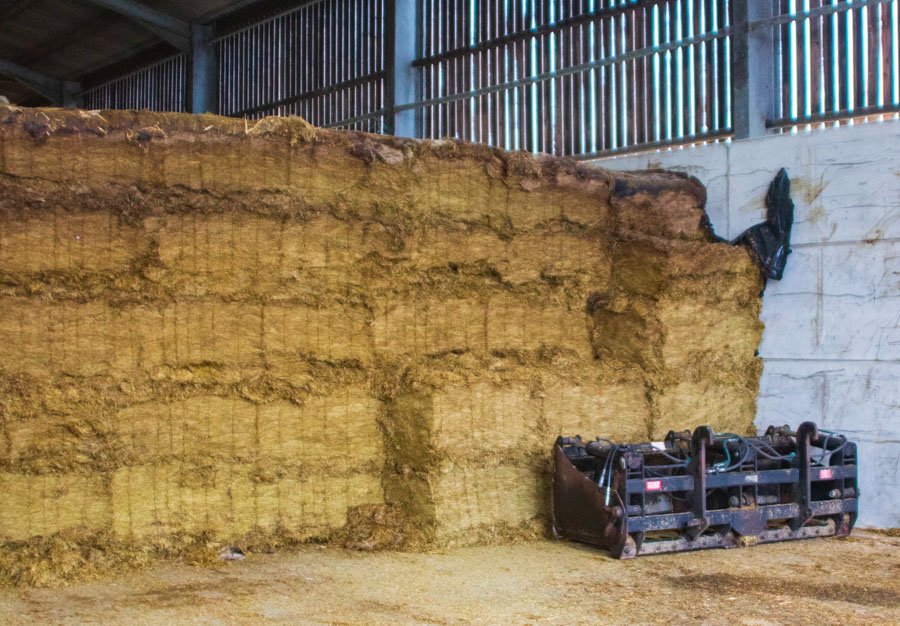
- CROP STORAGE & MONITORING - Prepare/maintain crop/forage storage (pest control, temperature monitoring).
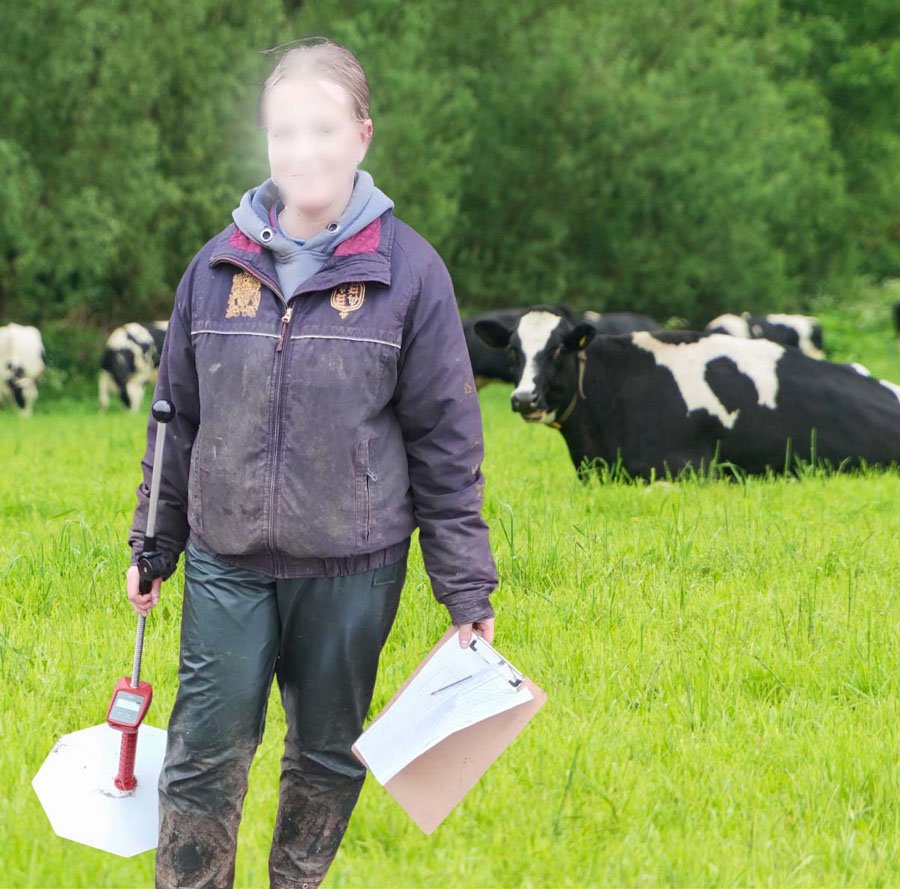
- CROPS, GRASS & FORAGE - Monitoring any / all of these for growth, health and sward / crop maintenance
- CROPS, GRASS & FORAGE - Selecting for grazing / forage production / harvest
Practical Evidence Ideas
Some ideas for photographs, videos, witness statements or practical activities to record as Evidence in your Learning Journal.Duty Images
6 Steps to Great Journal Entries
What a suitable Learning Journal Entries Looks like...
Below are two examples that could be used as evidence:
1. Crop Storage and Monitoring
2. Monitoring and Selecting Grass for Grazing
Crop Storage and Monitoring
Today I helped prepare and maintain the grain store after harvest. I worked with my farm supervisor to check the condition of the store and monitor the stored grain. We inspected the building for any signs of pests or vermin and checked that the ventilation system was working correctly. I used a grain temperature probe to take readings from different areas of the grain heap and recorded the results. We also checked for any signs of moisture, mould, or heating within the store.
This was an important crop storage and monitoring task. By regularly checking the grain store, we can identify problems early and prevent spoilage or quality losses. Maintaining the correct temperature and keeping pests under control helps ensure the crop remains in good condition until it is sold or used.
The work was carried out safely by wearing appropriate PPE, following site rules, using equipment correctly, and taking care when working around machinery and stored grain.
🔍 Monitoring and Selecting Grass for Grazing
Today I helped assess grass fields to decide which paddocks were suitable for grazing livestock. I worked alongside the farm manager to monitor grass growth and field conditions. We walked several fields and checked grass height, sward density, and overall grass quality. We looked for signs of damage, weeds, bare patches, or areas that needed rest before grazing.
This was a crop and forage monitoring activity. Based on the condition of the grass, we selected the paddocks that had enough growth to support livestock while avoiding overgrazing. The information collected helped us plan grazing rotations and make the best use of available forage.
This work is important because good grazing management improves grass utilisation, supports livestock performance, and helps maintain healthy swards throughout the growing season.
The task was completed safely by wearing suitable footwear, being aware of livestock and machinery movements, and following farm health and safety procedures when working in the fields.
Common Mistakes
Example: Checked silage.” This gives very little evidence or detail.
Explaining why the task matters shows understanding and learning.
PPE, safety and livestock awareness are often forgotten.
Working with supervisors or stock staff is useful evidence.
Walked grass field, checked silage clampdoes not explain the work properly.
Words like “stuff” or “helped out” do not show real evidence.
Using the same wording every week weakens journal evidence.
Good entries mention details observed and any issues found.
Mentioning any equipment used (plate meter, temperature probe) strengthens evidence.
Strong entries show understanding, not just completing jobs.