Activities to Cover
- Monitoring, recording, reporting of crops: growing, harvesting, stored on various stages of growth and storage
Practical Evidence Ideas
Some ideas for photographs, videos, witness statements or practical activities to record as evidence in your Learning Journal for crop quality checks.Duty Images
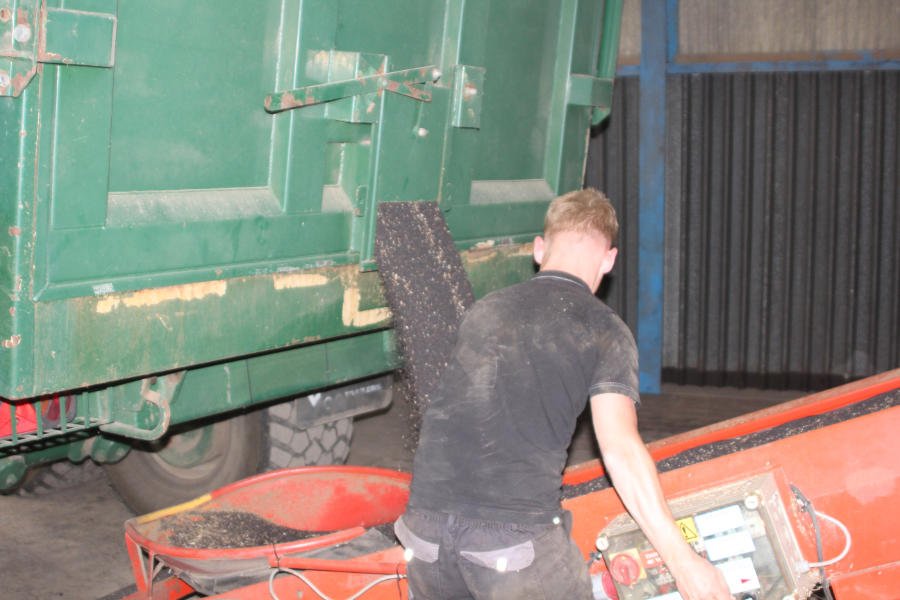
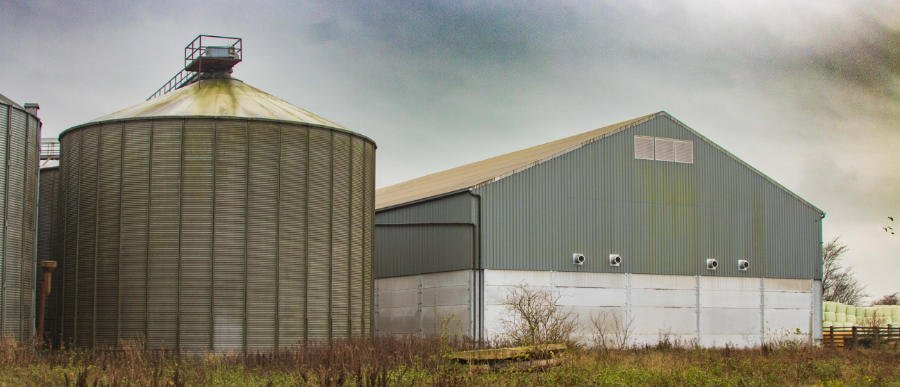
6 Steps to Great Journal Entries
What a Suitable Learning Journal Entry Looks Like
Below are two examples that could be used as evidence:
1. Identifying good and poor quality in growing crops.
2. Checking quality of harvested and stored grain.
Identifying Good and Poor Quality in Growing Crops.
Today I worked with the farm manager and agronomist to assess crop quality across several wheat fields. We checked crop colour, plant uniformity, disease symptoms, and patchy areas, then compared what we saw against previous field notes. This was a crop quality monitoring task and I learned how early identification of poorer quality areas helps target management decisions before yield or quality drops further.
We used field maps, crop scoring notes, and photo records to log both good and poor areas and report priorities for follow-up. I worked safely by wearing PPE, using safe access routes, staying aware of machinery movements, and following instructions when entering or leaving active fields.
Checking Quality of Harvested and Stored Grain.
I helped check quality in harvested grain as it was moved into storage, looking for broken grains, contamination, damp patches, and any signs that quality might drop in store. We compared loads from different fields and recorded observations so the manager could decide which batches needed closer monitoring.
We used sample checks, store temperature records, and delivery documentation to keep quality records up to date and traceable. This work is important because quality affects market value, feed suitability, and storage performance. I worked safely by following store access rules, wearing PPE, keeping clear of loading machinery, and reporting issues straight away.
Common Mistakes
Example: "Checked crop quality". This gives very little evidence or detail.
Explaining why the task matters shows understanding and learning.
PPE, safety awareness are often forgotten.
Working with supervisors or stock staff is useful evidence.
Fed calves and checked their water supply.
Words like “stuff” or “helped out” do not show real evidence.
Using the same wording every week weakens journal evidence.
Good entries mention details observed and any issues found.
Mentioning any equipment usedstrengthens evidence.
Strong entries show understanding, not just completing jobs.