Activities to Cover
- An explanation of the different feeds used and available on your farm and how these are checked and kept free from contamination and spoiling
- Feeding and watering livestock – at different stages of production and reproductive cycle
- Any issues encountered during daily feeding and checking and what you did about them.
- Any health and safety or environmental issues which may occur or be linked to feeding.
Practical Evidence Ideas
Some ideas for photographs, videos, witness statements or practical activities to record as Evidence in your Learning Journal.Duty Images
6 Steps to Great Journal Entries
What a suitable Learning Journal Entries Looks like...
Below are two examples that could be used as evidence:
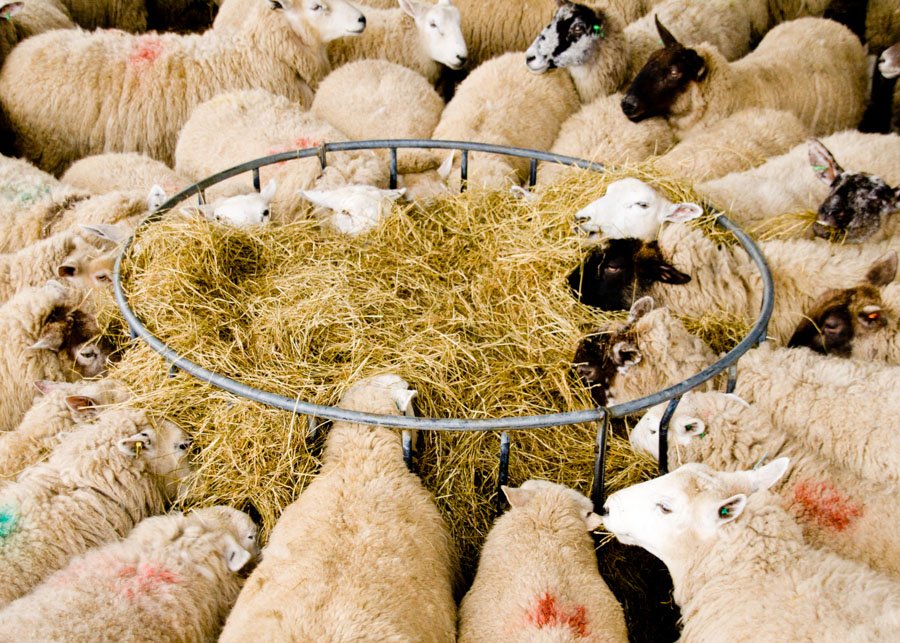
1. Feeding and Watering Pregnant Ewes During Late Pregnancy.
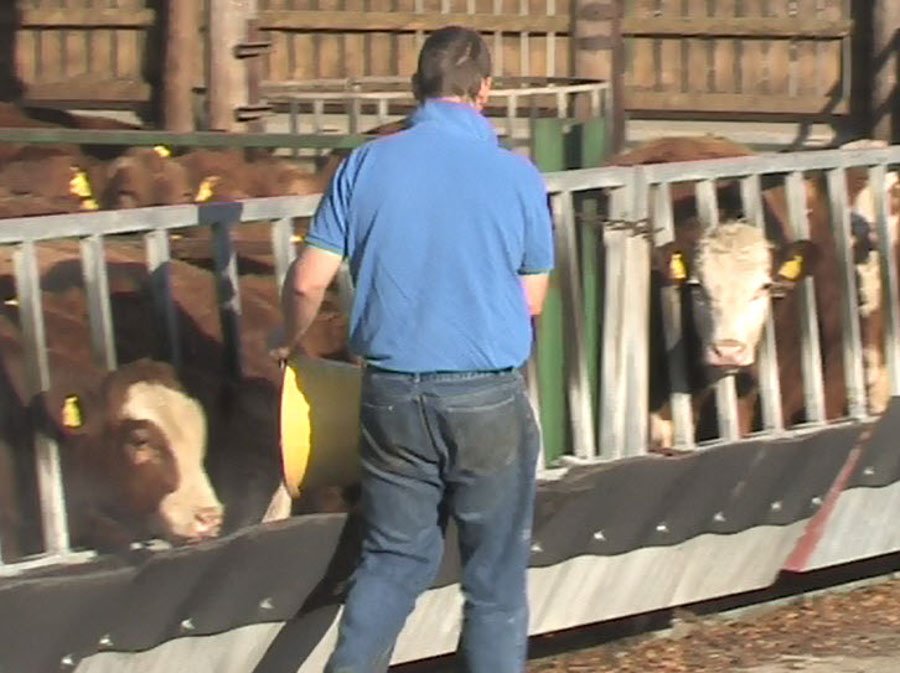
2. Feeding and Checking Calves.
Feeding And Watering Pregnant Ewes
Today I helped feed and water the in-lamb ewes during late pregnancy. I worked with the farm manager and another stockperson to make sure all the sheep received the correct ration and had access to fresh water.
This was a routine livestock feeding job, but it was important because the ewes are in the final few weeks before lambing and their nutritional needs are higher. The farm uses several different feeds including grass silage, hay, concentrates and mineral buckets. Before feeding, I checked the silage for mould, looked for signs of spoilage in the concentrate bins and made sure there was no contamination from vermin or wet feed. Any spoiled feed was removed and reported.
We used the tractor and diet feeder to distribute silage and concentrates along the feed barriers. I also checked all water troughs to ensure they were clean and working properly. One trough had a faulty ball valve and was not filling correctly. I informed the stockperson and we isolated the trough and supplied water from another source until it could be repaired.
I learned that feeding pregnant ewes correctly is essential because poor nutrition can lead to problems such as twin lamb disease, weak lambs and poor milk production. Clean water is equally important as water intake increases during late pregnancy.
The work was carried out safely by wearing steel toe cap boots and gloves, keeping clear of the tractor and moving machinery, and following safe livestock handling procedures. I also washed my hands after handling feed and avoided creating waste by only feeding the correct amounts and disposing of spoiled feed appropriately.
Feeding and checking calves.
TToday I was responsible for feeding and checking the young calves. I worked with the calf rearer and followed the feeding instructions that had been prepared for each group.
This was a daily livestock management job involving feeding animals at an early stage of production. The calves were fed milk replacer and calf starter pellets, and they had constant access to fresh water. Before preparing the milk, I checked the milk powder bags for damage and signs of moisture contamination. I also checked that the calf pellets were dry and free from mould.
I prepared the milk replacer according to the instructions, making sure the correct amount of powder and water were mixed and fed at the correct temperature. Buckets and feeding equipment were cleaned after use to prevent bacteria building up.
While feeding, I noticed one calf had not finished its milk and seemed quieter than normal. I reported this to the calf rearer and we checked the calf for signs of illness. Its temperature was taken and the calf was monitored more closely during the day.
I learned that young calves are very dependent on good nutrition and clean water because poor feeding or contaminated feed can quickly lead to health problems and reduced growth rates. Daily observation during feeding is also important because it is often the first opportunity to identify sick animals.
The job was completed safely by following manual handling procedures when lifting feed bags, wearing gloves and boots, cleaning up spillages to prevent slips and maintaining good hygiene to reduce disease risks between animals.
Common Mistakes
Example: "jabbed piglets".” This gives very little evidence or detail.
Explaining why the task matters shows understanding and learning.
PPE, safety awareness are often forgotten.
Working with supervisors or stock staff is useful evidence.
Fed calves and checked their water supply.
Words like “stuff” or “helped out” do not show real evidence.
Using the same wording every week weakens journal evidence.
Good entries mention details observed and any issues found.
Mentioning any equipment usedstrengthens evidence.
Strong entries show understanding, not just completing jobs.