Observe & Gather Get started
Every livestock unit has to move livestock at some point, whether for sale, transfer or slaughter. Record how movements are planned, carried out and documented and how welfare is protected throughout the process.
Moving livestock safely
- 1 · PlanBefore the moveDestination, transport and paperwork
- 2 · LoadFit to travelID, fitness, handling and vehicle
- 3 · RecordReport the moveRegisters and movement reporting
Check the current rules for every movement.
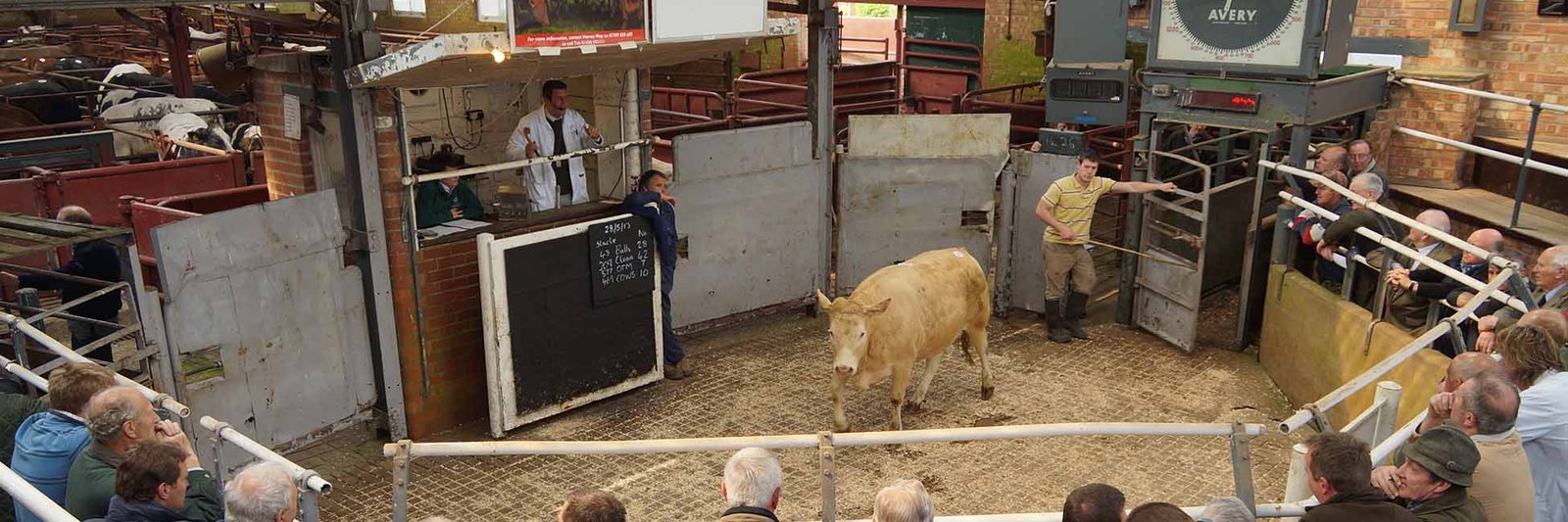
- Identify the types of livestock movements that take place.
- Record whether the unit uses its own transport, external transport or both.
- Note the paperwork, legislation and handling facilities linked to each movement.
What to Include Know this
- How livestock are moved around the unit and off the unit.
- Which records and paperwork are required.
- How quarantine and biosecurity are handled for arrivals.
- How handling facilities and welfare routines support safe movement.
Workplace Activities Do these
- Observe livestock movements and the facilities used for loading and handling.
- Gather evidence on paperwork, transport arrangements and welfare checks.
- Record any restrictions on moving certain animals.
- Use your findings to complete your written report for OneFile.
Sales & Movement Record Record details
Use this section to record livestock movement and sales information.
- Type of movement
- Transport method and planning
- Paperwork and records kept
- Quarantine or biosecurity measures
- Handling facilities used
- Welfare and legal considerations
Observe & Gather Table Fill in
Use this table to record the movement and sales information you observe. Then use the completed notes to write a summary of your findings for OneFile using the sentence starters below.
| Topic | Notes |
|---|---|
| What type of livestock movements take place? | |
| Are these moves carried out with unit transport, external transport or both? | |
| Who plans these moves? | |
| What legislation is relevant for these moves? | |
| What training may be required to move livestock? | |
| Which animals are prevented from moving? |

Remember to upload your evidence to OneFile.
Evidence Ideas Portfolio proof
- Movement or sales paperwork
- Market prices or buyer information
- Weight or grading records
- Photos of loading or handling facilities
- Employer discussion notes on sales and transfer decisions
Employer Discussion Mentor input
Discuss how livestock are moved safely, legally and humanely and how the process supports welfare, compliance and business efficiency.
Livestock Sales & Movement Record: Analyse Understand Report Write up
Project Brief
Using what you have learnt and the data you have gathered about sales and movement, write a summary that gives an overview of how livestock are moved, sold or transferred on the unit. Use the information you collected about transport, paperwork, quarantine, handling and welfare to evaluate productivity, welfare and sustainability. Your summary should reflect both current practices and any historical context, with attention to health, safety and environmental impact.
Checklist of what to include
- An overview of the main movement and sales practices on the unit
- Details of transport, planning and people involved
- Information about paperwork, records and legal requirements
- Evidence of quarantine, biosecurity and handling arrangements
- Any strengths, weaknesses or improvements identified
- Reference to welfare, safety and compliance
Sentence starters
- “Livestock are regularly moved around the unit to…”
- “To ensure safe transport, we use…”
- “Before animals are sold or transferred, we prepare them by…”
- “All movements are recorded using…”
- “New livestock arriving on the unit are quarantined for…”
Remember to upload your evidence to OneFile.
Sales & Movements: Example Answer Model response
Use this for guidance, not copying. This is a fictional England suckler herd. Always check the current GOV.UK rules and local disease restrictions before moving animals.
Movements at a glance
What moves, who plans it and what applies
- Types of movement
- Routine movements: cows between grazing and housing, calves/cows through handling facilities, weaned calves sold to a store buyer, culls to slaughter and occasional vet/market movements. Verify actual holding links and movement type.
- Transport
- Combination: farm trailer for short internal moves only where suitable and safe; licensed livestock haulier for sales. Vehicles and loading facilities must suit cattle, be maintained and cleaned; animals must be fit to travel.
- Who plans the moves
- Farm manager plans date, route, headcount, destination, vehicle/haulier, staff, paperwork and contingency. Check identity, fitness, weather, loading area and receiving arrangements before loading.
- Relevant legislation
- England example: cattle identification and movement-recording rules, applicable cattle movement licence/BCMS requirements, bovine TB restrictions/testing where relevant, and welfare-in-transport rules. Check current rules and local disease restrictions for each movement.
- Training required
- Staff need task-specific competence in cattle handling/loading; transporters need the authorisation and certificates required for journey type/distance. Use the correct trained person and current official guidance.
- Animals that must not move
- Do not move animals that are unfit to travel, under a movement restriction, incorrectly identified, or otherwise prohibited. Check TB status/licence and any destination conditions; seek APHA/vet advice where uncertain. Do not transport a suffering animal except under veterinary advice and applicable rules.
Example report
Explaining sales and movements in your own words
The example unit moves cattle between grazing, housing and handling areas and sells weaned calves to a store buyer. The manager plans external movements, confirms destination and transport, checks identity and fitness to travel, and prepares the required records. In England, cattle movement records and BCMS reporting deadlines apply; as a general rule, the holding register is updated within 36 hours and movements are reported within 3 days, subject to the rules for the particular movement. Cattle must be fit to travel, and suitable vehicles, loading facilities and competent handlers are needed. TB status, restrictions, licence conditions and destination requirements must be checked each time. The current GOV.UK guidance links at the end of this booklet should be checked before acting. This sample is not a substitute for the farm’s current compliance checks.