Observe & Gather Get started
Breeding is the start of the production cycle and a good place to study livestock husbandry. Record how breeding is carried out, how animals are prepared and how successful mating is detected.
The breeding cycle
- 1 · SelectChoose the parentsFertility, soundness and traits
- 2 · MatePrepare and breedBody condition, health and dates
- 3 · CheckConfirm pregnancyScan, record and plan calving
Good records show what is working.
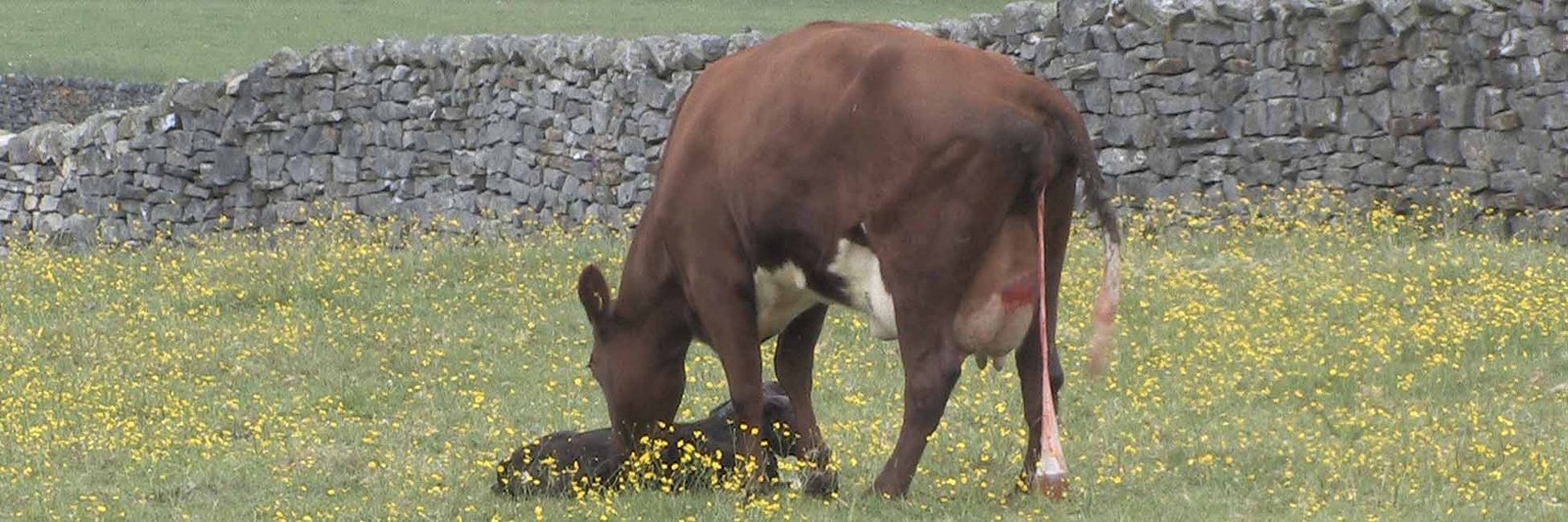
- Record the breeds used and why they have been chosen.
- Note whether breeding is natural, by AI or a mixture.
- Describe how livestock are prepared, managed and checked for successful mating.
What to Include Know this
- Breeding plan and selection criteria.
- How males and females are managed before, during and after breeding.
- How breeding status is checked and confirmed.
- What happens to offspring and how records support decision-making.
Workplace Activities Do these
- Observe breeding practices and record the evidence you see.
- Gather information on genetics, health, age, body condition and future plans.
- Discuss the breeding purpose with your employer and link it to production goals.
- Use your observations to prepare your written analysis for OneFile.
Breeding Record Record details
Use this section to record the breeding process and management decisions.
- Breeds used and reasons
- Natural service / AI / mixed system
- Preparation for breeding
- Selection criteria for sire and dam
- Pregnancy detection and records
- Use of offspring and future plans
Observe & Gather Table Fill in
Complete this table with your breeding observations. Then use the completed notes to write a summary of your findings for OneFile. The sentence starters below will help you turn the information into a clear report.
| Topic | Notes |
|---|---|
| How will livestock be selected for mating? | |
| How will livestock be prepared for mating? | |
| Explain the choice of sire | |
| What information is needed to make these choices? | |
| How will you know livestock is ready for mating? | |
| How and when will livestock be checked for successful mating? | |
| What is the intended use / market for offspring? | |
| What happens to livestock after mating? |

Remember to upload your evidence to OneFile.
Evidence Ideas Portfolio proof
- Breeding plans or mating records
- Pregnancy or scan results
- Photos of breeding stock and housing
- Notes on replacement or culling decisions
- Employer discussion notes on breeding outcomes
Employer Discussion Mentor input
Discuss the breeding process from preparation through to pregnancy detection and explain how the approach supports welfare, production and safety.
Livestock Breeding Record: Analyse Understand Report Write up
Project Brief
Using what you have learnt and the data you have gathered about breeding, write a summary that gives an overview of the breeding system on the livestock unit. Use the information you collected about selection, mating, pregnancy detection and records to evaluate productivity, welfare and sustainability. Your summary should reflect both current practices and any historical context, with attention to health, safety and environmental impact.
Checklist of what to include
- An overview of the breeding system and the main breeding goal
- Details of how animals are selected for mating
- Information about preparation, mating method and pregnancy detection
- Evidence of records, decisions and future plans
- Any strengths, weaknesses or improvements identified
- Reference to welfare, safety and sustainability
Sentence starters
- “On our unit, the main breed used for breeding is…”
- “The breeding programme is designed to achieve…”
- “Before breeding, livestock are checked for…”
- “Successful mating is confirmed by…”
- “Animal welfare is maintained through…”
Remember to upload your evidence to OneFile.
Breeding: Example Answer Model response
Use this for guidance, not copying. This is a fictional suckler herd. Actual sire data, scan results and dates must come from your farm records and vet.
Breeding plan at a glance
The decisions behind the plan
- Selecting livestock for mating
- Select healthy cows with sound udders, feet/legs and maternal ability; use calving records, previous fertility, temperament, calf growth and genetic information. Do not breed replacements from cows with repeated calving difficulty or poor performance.
- Preparing for mating
- Maintain cows at an appropriate body condition through grazing and winter feeding; check feet, health and mineral status. Heifers should be grown to the farm’s target weight before service. Review vaccination and parasite plans with the vet.
- Choice of sire
- Two unrelated, fertile, docile Charolais-cross bulls in this example, selected for easy calving on the heifers/cows assigned, soundness and suitable growth traits. Actual sire choice must match cow size, market and breeding data.
- Ready for mating
- Cows are in suitable body condition, healthy and cycling; bulls pass a pre-breeding soundness check and are fit, with secure handling arrangements in place.
- Checking for successful mating
- Record bull-in and bull-out dates. Pregnancy scan by a competent operator/vet at the planned interval after mating; record in-calf, empty and uncertain results against each cow ID. Recheck uncertain cases as advised.
- Records to keep
- Cow and calf identity; age, calving history, health, temperament, body condition, pregnancy status, bull fertility/soundness, pedigree or estimated breeding values, and intended market.
- Market for offspring
- Weaned calves sold as store cattle for further growing/finishing; retain selected heifers as replacements. Sale specification is agreed with the buyer and verified against actual market requirements.
- After mating
- Monitor cows after mating and through pregnancy; keep suitable groups on forage, monitor body condition, prepare calving facilities, and scan/review empty cows before culling or rebreeding decisions.
Example report
Explaining the breeding plan in your own words
The herd uses natural service for a defined spring period. Cows are selected using fertility, calving history, soundness, maternal ability and calf performance. Bulls are chosen for fertility, temperament, feet and legs, suitable growth and calving ease; heifers should be matched with particular care. Before bulling, the manager checks body condition and health, and a competent person assesses bull soundness. Bull-in and bull-out dates are recorded. Pregnancy scanning identifies in-calf and empty cows, allowing groups and culling decisions to be planned. Cows are monitored through pregnancy and prepared for calving in clean, suitable accommodation. Safe handling relies on trained staff, sound facilities and an escape route around bulls. Actual sire data, scan results and dates must come from the farm records and vet/operator.