Observe & Gather Get started
Feeding and digestion are central to the production cycle. Record how rations are produced, what is fed and how the feeding system supports health, welfare and performance.
From feed to performance
- 1 · Know the feedTest and analyseSilage, grass and bought-in feeds
- 2 · Match the needRation by stagePregnancy, lactation and growth
- 3 · Watch the resultCheck the animalsBody condition, growth and refusals
Fresh water and a steady diet underpin everything.
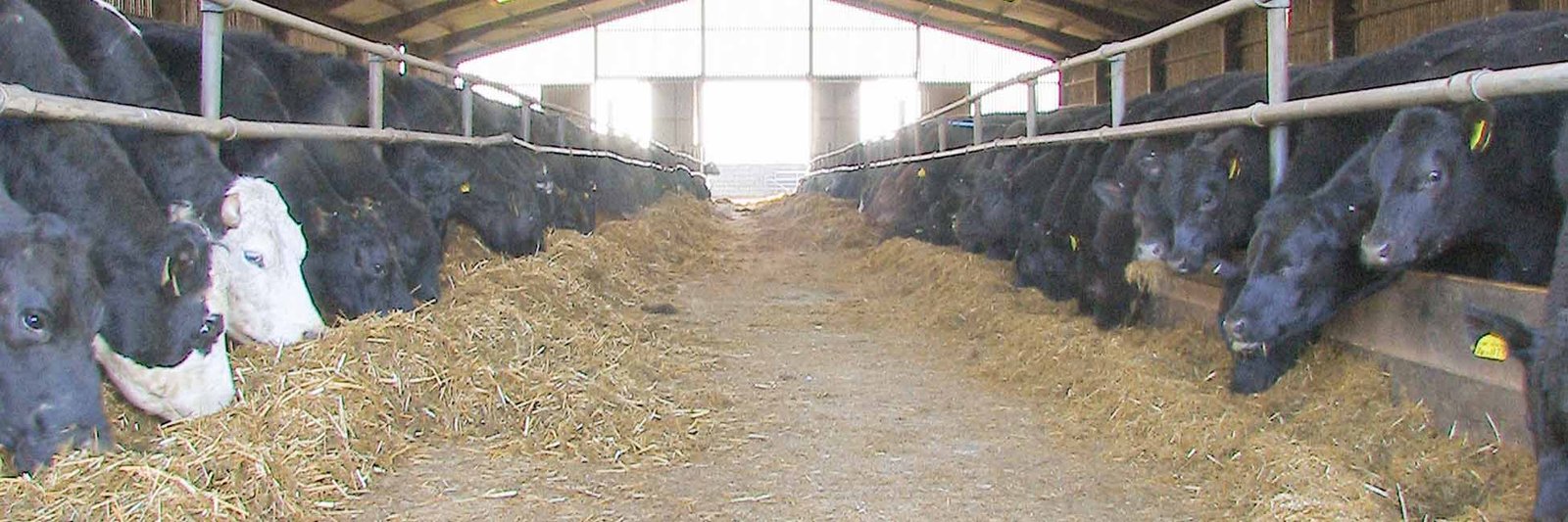
- Note whether feeds are bought in, grown on farm or mixed.
- Record who formulates the rations and how they change by age, stage or season.
- Observe how feed is checked, delivered and offered to livestock.
What to Include Know this
- Different rations and feedstuffs used on the unit.
- The analysis of feed and the feeding regime for each stage of production.
- How water is provided and how feeding behaviour or intake is monitored.
- How technology and equipment support the feed system.
Workplace Activities Do these
- Observe the feeding system and record the feed types used.
- Compare the ration used for breeding, growing, finishing or milking animals.
- Check how feed quality, water and intake are managed.
- Use your findings to complete your written analysis for OneFile.
Nutrition Record Record details
Use this section to record the feeding system and its effect on livestock performance.
- Rations and feedstuffs used
- Ration analysis / feed quality
- Feeding regime by stage of production
- Water provision and delivery method
- Observed response in condition or growth
Observe & Gather Table Fill in
Use this table to record the feeding information you observe on the unit. After completing it, turn your notes into a short summary of your findings for OneFile using the sentence starters below.
| Topic | Notes |
|---|---|
| What rations and feedstuffs are used? | |
| What is the analysis of these rations? | |
| How is the feeding regime managed for each stage of production? | |
| Mating / pregnancy / lactation / newborn / growing / finishing | |
| How is water provided? | |
| How is feed delivered and monitored? | |
| How is technology used in feeding? |

Remember to upload your evidence to OneFile.
Evidence Ideas Portfolio proof
- Feed charts, ration sheets or feed invoices
- Photos of feed storage and feeding equipment
- Body condition scoring notes or growth records
- Employer discussion notes on ration decisions
- Short written reflections on feed quality and performance
Employer Discussion Mentor input
Discuss how the feeding system is designed, delivered and monitored and explain how it affects animal health, welfare and performance.
Livestock Nutrition Record: Analyse Understand Report Write up
Project Brief
Using what you have learnt and the data you have gathered about nutrition, write a summary that gives an overview of the feeding system on the livestock unit. Use the information you collected about rations, feed quality, water, delivery and stage-specific feeding to evaluate productivity, welfare and sustainability. Your summary should reflect both current practices and any historical context, with attention to health, safety and environmental impact.
Checklist of what to include
- An overview of the feeding system and the main ration approach
- Details of feedstuffs used and how rations are analysed
- Information about feeding by stage of production
- Evidence of water provision, feed delivery and monitoring
- Any strengths, weaknesses or improvements identified
- Reference to welfare, efficiency and sustainability
Sentence starters
- “The farm produces its own silage and hay, which are combined with…”
- “Rations are formulated by…”
- “The diet is adjusted throughout the year to reflect…”
- “Feed quality is checked by…”
- “Livestock are fed using…”
Remember to upload your evidence to OneFile.
Nutrition: Example Answer Model response
Use this for guidance, not copying. This is a fictional suckler herd. Use your farm’s laboratory report and ration advice, not these numbers.
Rations and analysis
What is fed, and what is in it
- Rations and feedstuffs
- Home-grown grass silage (tested), grazed grass, straw, minerals/salt and limited concentrates only where justified by condition, forage quality or stage. Water is freely available.
- Feeding regime
- Cows are grouped by condition and stage. Base the winter ration on actual silage analysis and animal requirements; monitor refusals, body condition, calf growth and water. A nutritionist/vet can review ration adequacy and cost.
Example silage analysis
- Dry matter: 30%
- Energy: 10.5 MJ ME/kg DM
- Crude protein: 14%
- D-value: 68%
These are fictional numbers to show interpretation only; use the farm laboratory report and ration advice.
Feeding by stage
How the ration changes through the cycle
- Mating
- Bulling cows: maintain steady condition on pasture/forage; avoid sudden diet changes and over-conditioning. Check body condition before bulling.
- Pregnancy
- Pregnant cows: forage-led ration adjusted for forage test, pregnancy stage and condition; ensure minerals and water are adequate, with closer management before calving.
- Lactating
- Lactating cows: quality grazing/forage to support milk for the calf; assess cow condition and calf growth and supplement only where the forage budget requires it.
- Newborn
- Ensure prompt colostrum intake, navel care under the farm plan, warmth/dry bedding and close observation; record dam/calf ID and any assistance.
- Growing calves
- Milk from dam while suckling, then gradual access to clean water, forage and a suitable creep ration only if the farm system uses it; record weights at defined dates.
- Fattening
- Calves leave this example as stores, so finishing is undertaken by the buyer. If retained, formulate a balanced transition and finishing ration with professional advice and monitor health/intake.
- Replacement heifers and bulls
- Forage-based growth ration, mineral provision and regular body-condition/weight checks; keep bulls fit without excessive condition.
Example report
Explaining the feeding plan in your own words
The example system relies mainly on grazed grass in season and tested grass silage during housing, with straw, minerals and limited supplementation where needed. Cows are grouped by body condition and stage of pregnancy or lactation. Rations should be based on the actual forage analysis rather than appearance alone; the illustrative analysis in the observation table is not a real laboratory result. Staff monitor refusals, body condition, calf growth, water cleanliness and access. Changes are made gradually, with ration advice from a competent adviser where needed. This forage-led approach can control purchased-feed use, but poor silage quality or inadequate winter forage could affect cow condition, fertility and calf growth. A feed budget, current silage analysis and recorded condition scores would support better decisions.