Observe & Gather Get started
Good housing is essential to a successful livestock unit. Record what housing is used for different stages of production, how the environment is monitored and how the accommodation is maintained.
A healthy house
- 1 · EnvironmentComfort firstVentilation, space, light and drainage
- 2 · RoutineKeep it cleanBedding, mucking out and disinfecting
- 3 · SafetySafe for allGates, handling and PPE
Dry, clean, well-ventilated housing protects health.
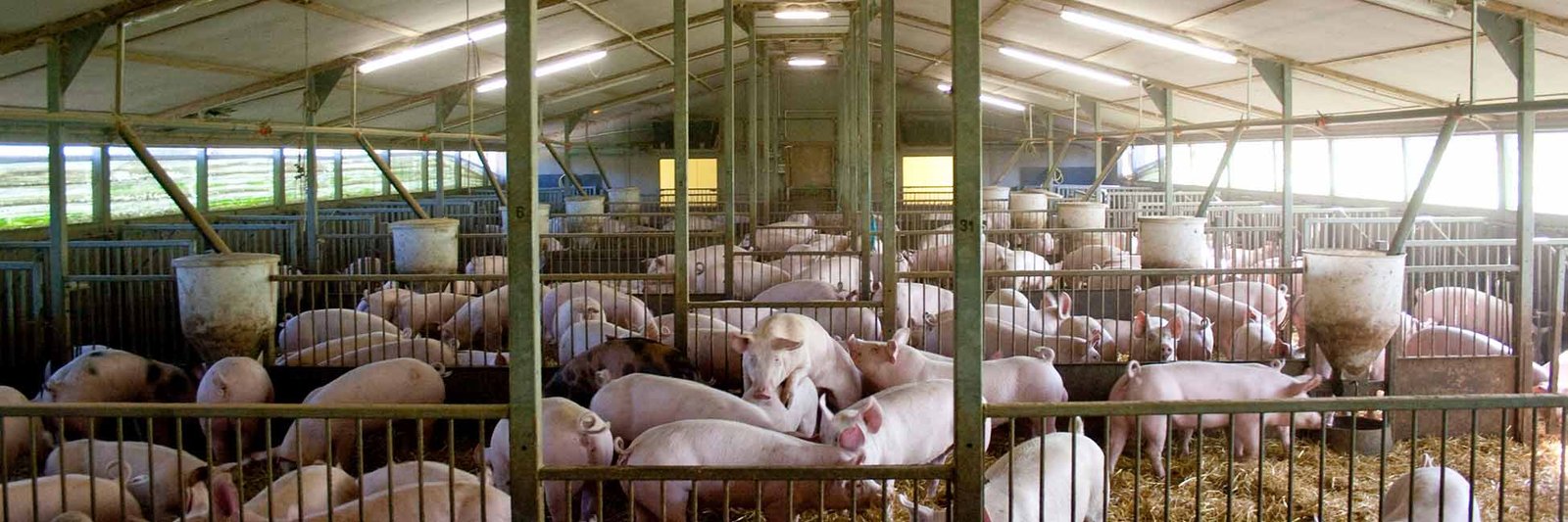
- Describe the housing used for each stage of production.
- Explain how ventilation, bedding, lighting, drainage and space support performance.
- Note how often the housing is cleaned, mucked out or disinfected.
What to Include Know this
- Types of housing used for different livestock and stages.
- How the environment is checked and adjusted.
- Routine cleaning, mucking out and all-in/all-out systems.
- How waste and dirty water are managed safely.
Workplace Activities Do these
- Inspect housing and record the condition of bedding, drainage and ventilation.
- Observe daily routines and note how welfare and performance are supported.
- Identify any areas where the environment could be improved.
- Use your notes to build the written report for OneFile.
Housing Checklist Record details
Use this section to record housing observations and management routines.
- Type of housing
- Space and stocking density
- Ventilation and temperature control
- Bedding, cleanliness and drainage
- Cleaning and disinfection routine
- Welfare concerns or improvements
Observe & Gather Table Fill in
Use this table to record your housing observations. Once your notes are complete, turn them into a summary of your findings for OneFile using the sentence starters below.
| Topic | Notes |
|---|---|
| Describe the housing for different stages of production | |
| How is the environment set up for health and performance? | |
| How is the house mucked out and cleaned? | |
| What routine jobs are carried out in the accommodation? | |
| How is the housing monitored daily? | |
| Any all-in/all-out or batch system used? |

Remember to upload your evidence to OneFile.
Evidence Ideas Portfolio proof
- Photos of housing and animal space
- Checklists or housing inspection notes
- Records of cleaning and maintenance
- Employer discussion notes on welfare standards
- Short reflections on conditions and improvements
Employer Discussion Mentor input
Discuss how the housing design, cleanliness and routines keep animals healthy, comfortable and performing well.
Livestock Housing Checklist: Analyse Understand Report Write up
Project Brief
Using what you have learnt and the data you have gathered about housing, write a summary that gives an overview of the livestock accommodation on the unit. Use the information you collected about housing type, space, ventilation, bedding, cleaning and monitoring to evaluate productivity, welfare and sustainability. Your summary should reflect both current practices and any historical context, with attention to health, safety and environmental impact.
Checklist of what to include
- An overview of the housing system and the main animal groups housed
- Details of space, stocking density and environmental control
- Information about bedding, drainage, cleanliness and routine cleaning
- Evidence of how the housing is monitored and maintained
- Any strengths, weaknesses or improvements identified
- Reference to welfare, safety and sustainability
Sentence starters
- “The livestock on this unit are housed in…”
- “Different housing types are used for different stages of production such as…”
- “The environment is monitored daily by checking…”
- “Cleaning is carried out every…”
- “Good welfare is promoted by ensuring that…”
Remember to upload your evidence to OneFile.
Housing: Example Answer Model response
Use this for guidance, not copying. This is a fictional suckler herd. Base your own answer on evidence from your workplace and check decisions with your employer or vet.
Housing at a glance
The facts behind the system
- Housing by stage
- Cows/calves use a straw-bedded group yard in winter; a smaller clean, well-bedded pen is available for calving or sick animals. Grazing is used when ground and weather permit.
- Optimal environment
- Open-sided, naturally ventilated sheds; dry deep straw, sound drainage, good lighting and enough space for all animals to lie, rise, feed and move without bullying. Check for draughts at calf level, condensation, dust and roof leaks.
- Mucking out and cleaning
- Remove wet/soiled bedding routinely and top up with clean straw. After a group leaves, remove manure, clean and disinfect suitable surfaces/equipment using approved products as directed; allow to dry before restocking where practical. Manage dirty water/runoff so it cannot pollute watercourses.
- Routine jobs
- Daily: check cattle, water, feed barriers, gates, bedding, ventilation, lighting and hazards; remove dead or contaminated bedding as needed. Record faults and report repairs.
- Example routine
- Bedding checked daily and topped up as needed; muck out between batches or when bedding becomes wet/dirty. Frequency depends on stocking, weather and bedding condition, not a fixed universal interval.
- Hygiene and disease control
- Use separate calving/sick pens where possible; clean equipment between animals/groups, work from younger/healthier groups towards sick/isolation areas, and clean boots/tools. Keep visitor and vehicle access controlled.
- Safe working
- Use safe access and suitable PPE; never enter a pen with an unsettled cow without an escape route. Use trained staff, sound gates and handling facilities; isolate machinery before clearing blockages. Keep people and livestock away from moving plant.
- Manure and dirty water
- Manure is stored on a suitable impermeable area and spread to land under the farm nutrient plan and applicable rules; keep clean water separate from dirty water and prevent runoff to drains or watercourses.
Example report
Explaining the housing in your own words
Cows and calves use a straw-bedded group yard during winter, while a separate pen is available for calving or sick animals. Open-sided ventilation, dry bedding, drainage, safe gates and accessible feed and water support comfort and health. Daily checks cover cattle, water, bedding, ventilation and hazards. Wet bedding is removed as needed and the yard is mucked out between groups or when condition requires it. Manure is stored and managed under the farm plan, keeping dirty water away from clean drainage and watercourses. This arrangement suits a seasonal herd, but ventilation and bedding need close attention during wet weather and busy calving periods. I would keep dated checks and cleaning records and review calf-level draughts, pen space and runoff controls with the supervisor. This is an example description, not an observation of the learner’s workplace.