Unit Aim Start here
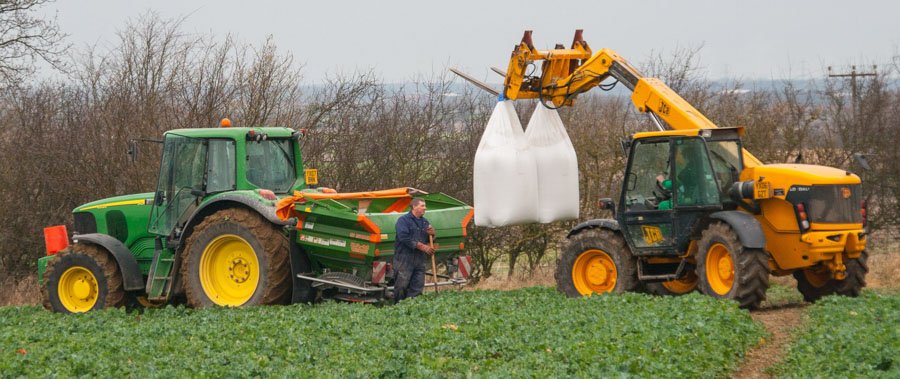
This unit is about selecting, transferring and positioning loads using a fork lift truck. It covers ensuring loads are safe, setting forks correctly, understanding stability factors, and correctly positioning loads for transport and safe operation.
The unit is relevant to those who operate, move or manoeuvre fork lift trucks, or those who are responsible for fork lift trucks within logistics organisations.
Mission Challenge
Before you begin, name the top three checks or actions that matter most for this unit in your workplace.
Reveal model answer
Use site policy first, complete the critical safety and equipment checks, then confirm your method before carrying out the task.
How confident are you on this section?
Pick one to save your progress on this device.
Learning Outcomes 1 and 2 Core content

Learning Outcome 1: Know how to select, transfer and position loads using a fork lift truck.
Assessment criteria:
- 1.1 Explain relevant organisational policies and procedures relating to health, safety and security, PPE, legal requirements, lifting systems, different locations and different loads.
- 1.2 Explain how to ensure the load is safe for the operation.
- 1.3 Explain how to set forks or attachments to ensure stability and security of the load.
- 1.4 Explain factors that can affect truck stability when selecting, transferring and positioning loads.
- 1.5 Explain the dangers of overloading the fork lift truck.
- 1.6 Identify problems that can occur during selecting, transferring and positioning loads.
- 1.7 Explain appropriate action for identified problems.
Learning Outcome 2: Be able to select, transfer and position loads using a fork lift truck.
Assessment criteria:
- 2.1 Follow all organisational policies and procedures relating to health, safety and security, PPE, legal requirements, fork lift operating systems, different locations and different loads.
- 2.2 Identify the correct load.
- 2.3 Check the load is safe for the operation.
- 2.4 Set forks and/or attachments to ensure load stability.
- 2.5 Position the load for transportation.
- 2.6 Check stability and security of the load during positioning and transportation.
- 2.7 Operate vehicle controls to maintain safety and security of self, truck and others.
- 2.8 Check load safety and security are maintained during transfer.
- 2.9 Check the allocated load location is suitable.
- 2.10 Set the load down in the correct position and location safely.
- 2.11 Record all work according to organisational requirements.
60-Second Recap
- Name two safety or quality checks that are non-negotiable in this unit.
- What is the biggest error learners make in this topic?
- What action keeps the task compliant and safe?
- What evidence or record proves the job is complete?
Scenario Drill
Your supervisor changes the task conditions mid-job. What do you check first, and what do you communicate before continuing?
Reveal model answer
Pause and reassess risk, confirm legal and site procedure still met, then communicate changes clearly before restarting the task safely.
How confident are you on this section?
Pick one to save your progress on this device.
Revision Prompts for Practice Quick fire
- How do you verify a load is safe before lifting?
- What adjustments to forks or attachments are most critical for stability?
- How do you confirm a set-down location is suitable and safe?
- What records prove the task was completed to procedure?
Go to the interactive revision page
Pair Challenge
With a partner, each explain one risk and one control from this unit. Score each response out of 3 for clarity and accuracy.
How confident are you on this section?
Pick one to save your progress on this device.